<?xml version="1.0" encoding="utf-8" ?>
<rdf:RDF xmlns:rdf="http://www.w3.org/1999/02/22-rdf-syntax-ns#" xmlns:dc="http://purl.org/dc/elements/1.1/" xmlns:syn="http://purl.org/rss/1.0/modules/syndication/" xmlns="http://purl.org/rss/1.0/">


<channel rdf:about="https://kahea.org/search_rss">
  <title>KAHEA</title>
  <link>https://kahea.org</link>

  <description>
    
            These are the search results for the query, showing results 61 to 75.
        
  </description>


  <image rdf:resource="https://kahea.org/logo.png"/>

  <items>
    <rdf:Seq>
      
        <rdf:li rdf:resource="https://kahea.org/blog/feds-slap-city-for-illegal-dump"/>
      
      
        <rdf:li rdf:resource="https://kahea.org/blog/hawaiis-renewable-portfolio-standards-aggressive-but-in-need-of-qualification"/>
      
      
        <rdf:li rdf:resource="https://kahea.org/blog/nwhi-suit-dlnr-should-stand-for-dept-of-looting-our-natural-resources"/>
      
      
        <rdf:li rdf:resource="https://kahea.org/blog/kahea-lawsuit-makes-headlines"/>
      
      
        <rdf:li rdf:resource="https://kahea.org/blog/draft-science-plan-public-hearing-grandfathering-in-permitted-activities"/>
      
      
        <rdf:li rdf:resource="https://kahea.org/blog/kahea-sues-state-to-protect-nwhi"/>
      
      
        <rdf:li rdf:resource="https://kahea.org/blog/natural-rights-not-ours-but-natures"/>
      
      
        <rdf:li rdf:resource="https://kahea.org/blog/taro-on-the-defense-yet-again"/>
      
      
        <rdf:li rdf:resource="https://kahea.org/blog/city-state-let-garbage-dump-on-waianae"/>
      
      
        <rdf:li rdf:resource="https://kahea.org/blog/got-input-for-the-army-on-its-environmental-investigations-apply-by-august-14"/>
      
      
        <rdf:li rdf:resource="https://kahea.org/blog/32-tons-of-marine-litter-sadly-the-tip-of-the-iceberg"/>
      
      
        <rdf:li rdf:resource="https://kahea.org/blog/more-like-department-of-health-right-to-know-act"/>
      
      
        <rdf:li rdf:resource="https://kahea.org/blog/hb-1522-kahana-residents-still-fighting-to-retain-their-homes"/>
      
      
        <rdf:li rdf:resource="https://kahea.org/blog/853"/>
      
      
        <rdf:li rdf:resource="https://kahea.org/blog/another-strong-argument-against-tmt"/>
      
    </rdf:Seq>
  </items>

</channel>


  <item rdf:about="https://kahea.org/blog/feds-slap-city-for-illegal-dump">
    <title>FEDS SLAP CITY FOR ILLEGAL DUMP</title>
    <link>https://kahea.org/blog/feds-slap-city-for-illegal-dump</link>
    <description></description>
    <content:encoded xmlns:content="http://purl.org/rss/1.0/modules/content/"><![CDATA[<script type="text/javascript" src="http://s0.wp.com/wp-content/plugins/adverts/adsense.js?m=1254953037g&1"></script><p style="text-align:center;"><strong>Rock, Metal, Petrol-based Product Dumped in Stream Bed</strong></p>
<p style="text-align:center;"><em>City of Honolulu Must Clean Mess, Halt Illegal Acts</em></p>
<p><em>posted by: Stewart</em></p>
<p>The U.S. government has ordered the City and County of Honolulu to clean up an illegal dump in Waianae after the city was found to have used a stream bed as a landfill for more than a year, in violation of the U.S. Clean Water Act.</p>
<p>According to the U.S. Environmental Protection Agency, which announced the order earlier today, the area of the dump was about 1.08 acres, or <a href="http://en.wikipedia.org/wiki/Acre">roughly the area of a football field</a>.</p>
<p>The <a href="http://yosemite.epa.gov/opa/admpress.nsf/0/1A134F4F3908970285257603006A494C">EPA&#8217;s order</a> requires the city to remove the illegally dumped material and restore the stream bed and banks of Maili&#8217;ili Stream near Waianae. Under the order, the city of Honolulu also must refrain from dumping more material in the stream bed, which is located near Waianae, a poor community on Oahu&#8217;s Leeward Coast that is largely populated by Native Hawaiians.</p>
<p>In July, the EPA inspected the stream and confirmed that concrete rubble, metal debris, dirt, and petroleum-based asphalt had been placed in Maili&#8217;ili Stream. The city had filled an area of about 1.08 acres in Maili&#8217;ili Stream: along both the north and south banks, the fill was about eight yards wide for a distance of about 175 yards. Fill extended across the entire 33-yard channel width for the uppermost 70 yards of the stream, the EPA said.</p>
<p>&#8220;This order will protect the coastline and water quality by removing the unauthorized fill and restoring the Maili&#8217;ili Stream to its previous condition,&#8221; said Alexis Strauss, the EPA&#8217;s Water Division director for the Pacific Southwest region. &#8220;It&#8217;s vital to consult with the U.S. Army Corps of Engineers and obtain needed permits well in advance of any fill activity.&#8221;</p>

<!--adcode-->
<div align="center" style="padding-top: 5px; text-align: left;" class="adcode">
<script type="text/javascript"><!--
google_ad_client = "pub-3443918307802676";
google_ad_output = "js";
google_feedback = "on";
google_max_num_ads = "4";
google_ad_width = 336;
google_ad_height = 280;
google_ad_format = "336x280_as";
google_image_size = "336x280";
google_ad_type = "text,flash,html";
google_ad_channel ="7770228814+6875057225+7401333398+7453468586+5206791511+2794543176+7250744022";
var color_bg = 'ffffff';
var color_text = '000000';
var color_link = '265E15';
var color_border = 'ffffff';
var color_url = '265E15';

google_analytics_domain_name = "none";
//--></script><script type="text/javascript" src="http://pagead2.googlesyndication.com/pagead/show_ads.js"></script></div>
<div style="clear: both"><br /></div>
<!--/adcode-->
									]]></content:encoded>
    <dc:publisher>No publisher</dc:publisher>
    <dc:creator>Stewart</dc:creator>
    <dc:rights></dc:rights>
    
      <dc:subject>activism</dc:subject>
    
    
      <dc:subject>environmental justice</dc:subject>
    
    
      <dc:subject>island sustainability</dc:subject>
    
    
      <dc:subject>land and cultural rights</dc:subject>
    
    <dc:date>2009-07-31T07:12:43Z</dc:date>
    <dc:type>Blog Entry</dc:type>
  </item>


  <item rdf:about="https://kahea.org/blog/hawaiis-renewable-portfolio-standards-aggressive-but-in-need-of-qualification">
    <title>Hawaii's Renewable Portfolio Standards:  Aggressive But in Need of Qualification</title>
    <link>https://kahea.org/blog/hawaiis-renewable-portfolio-standards-aggressive-but-in-need-of-qualification</link>
    <description></description>
    <content:encoded xmlns:content="http://purl.org/rss/1.0/modules/content/"><![CDATA[<script type="text/javascript" src="http://s0.wp.com/wp-content/plugins/adverts/adsense.js?m=1255548783g&1"></script><p><em>From:&#160; Andrea</em></p>
<p>Just last month, Act 155 was passed in the Hawaii Legislature, amending Hawaii&#8217;s renewable energy law.</p>
<p>One of the highlights of this amendment was the strengthening of Hawaii&#8217;s Renewable Portfolio Standards (often abbreviated as RPS).&#160; These standards are binding for electric utility companies, which must satisfy the specified percentage of their net electricity sales with electricity generated from renewable energy sources by the specified date.</p>
<p>Now, Hawaii&#8217;s Renewable Portfolio Standards are as follows:&#160; 10% by 2010; 15% by 2015; 25% by 2020; and 40% by 2030.&#160; The two standards that Act 155 changed are the two later dates:&#160; the 2020 standard was increased by 5%, and the 2030 standard was a new addition.</p>
<p>This strengthening of Hawaii&#8217;s Renewable Portfolio Standards was a wise move by the Hawaii Legislature.&#160; Hawaii should be a predominant leader in the renewable energy realm, considering that it is the most oil dependent state with over 90% of its energy needs met by imported fossil fuels&#8211; a doubly detrimental impact with carbon footprints from long-distance importation and burning.&#160; The context of climate change and sea-level rise heighten Hawaii&#8217;s energy vulnerability.</p>
<p>Yet, Hawaii is also ideally situated to move the ball forward with renewable energy due to the high availability of solar, wind, wave, and tidal energy.&#160; Thus, the Legislature&#8217;s addition of the long-term standard, 40% renewable-created electricity by 2030, is in line with Hawaii&#8217;s position of great need, vulnerability, and opportunism.</p>
<p>However, the short-term standard could be a bit more aggressive.&#160; Although a five-percent increase to 25% by 2020 is an improvement, a few other states have more stringent short-term standards.&#160; For example, California is requiring 20% renewable-created electricity by 2010&#8211; double Hawaii&#8217;s 2010 standard.&#160; And, Maine has a 2017 standard of 40%, Hawaii&#8217;s standard for 13 years later, while New York has a 2013 standard of 24%&#8211; 9% greater than Hawaii&#8217;s 2015 standard.</p>
<p>Regardless of the precise standards, the definition of &#8220;renewable energy&#8221; sources must be amended.&#160; While creating more stringent standards in the short-term is ideal, amending the definition of &#8220;renewable energy&#8221; to only encompass those sources that are truly clean is a must.</p>
<p>As it stands now, the definition of &#8220;renewable energy&#8221; does not contain any qualifications.&#160; For example, it includes &#8220;biofuels.&#8221;&#160; Such an unqualified authorization allows utility companies to meet the standard with, say, palm oil, which fits the broad definition of &#8220;biofuels.&#8221;</p>
<p>What&#8217;s the problem with palm oil qualifying as a renewable energy source?&#160; This &#8220;biofuel&#8221; implicates a significant carbon footprint due to carbon-emitting land change.&#160; After the deforestation, heavy fertilization, and peatland burning required to produce the palm oil, the production of this &#8220;biofuel&#8221; actually contributes more to global warming, opposed to ameliorating the crisis.</p>
<p>Renewable energy sources and, thus, renewable portfolio standards for utility companies should authorize only <em>clean</em> renewable<em> </em> sources in life-cycle terms.&#160; Renewability should be just one requisite for clean energy sources; the holistic footprint, including emissions, land change, and other environmental impacts, also must be taken into account.</p>
<p>Otherwise, we may simply displace the impact to another medium.&#160; Without amending the law to reflect this crucial qualification, the renewable portfolio standards may end up perpetuating the very problem that they are intended to improve.</p>
<p>Want Hawaii to lead a meaningful renewable energy transition?</p>
<p><strong>Contact your representatives in the State Legislature and voice your opinion!</strong></p>
<p>Here&#8217;s contact information for our House representatives:</p>
<p><a href="http://www.capitol.hawaii.gov/site1/house/members/members.asp">http://www.capitol.hawaii.gov/site1/house/members/members.asp</a></p>
<p>And, here&#8217;s contact information for Senate members:</p>
<p><a href="http://www.capitol.hawaii.gov/site1/senate/members/members.asp">http://www.capitol.hawaii.gov/site1/senate/members/members.asp</a></p>

<!--adcode-->
<div align="center" style="padding-top: 5px; text-align: left;" class="adcode">
<script type="text/javascript"><!--
google_ad_client = "pub-3443918307802676";
google_ad_output = "js";
google_feedback = "on";
google_max_num_ads = "4";
google_ad_width = 336;
google_ad_height = 280;
google_ad_format = "336x280_as";
google_image_size = "336x280";
google_ad_type = "text,flash,html";
google_ad_channel ="7770228814+6875057225+7401333398+7453468586+6836619467+5144442595+2794543176";
var color_bg = 'ffffff';
var color_text = '000000';
var color_link = '265E15';
var color_border = 'ffffff';
var color_url = '265E15';

google_analytics_domain_name = "none";
//--></script><script type="text/javascript" src="http://pagead2.googlesyndication.com/pagead/show_ads.js"></script></div>
<div style="clear: both"><br /></div>
<!--/adcode-->
									]]></content:encoded>
    <dc:publisher>No publisher</dc:publisher>
    <dc:creator>andreaaseff</dc:creator>
    <dc:rights></dc:rights>
    
      <dc:subject>1</dc:subject>
    
    
      <dc:subject>Northwest Hawaiian Islands</dc:subject>
    
    
      <dc:subject>activism</dc:subject>
    
    
      <dc:subject>biofuels</dc:subject>
    
    
      <dc:subject>cap and trade</dc:subject>
    
    
      <dc:subject>climate change</dc:subject>
    
    
      <dc:subject>climate justice</dc:subject>
    
    
      <dc:subject>conservation</dc:subject>
    
    
      <dc:subject>energy</dc:subject>
    
    
      <dc:subject>energy independence</dc:subject>
    
    
      <dc:subject>energy law</dc:subject>
    
    
      <dc:subject>environmental justice</dc:subject>
    
    
      <dc:subject>fossil fuels</dc:subject>
    
    
      <dc:subject>global warming</dc:subject>
    
    
      <dc:subject>hawaii</dc:subject>
    
    
      <dc:subject>island sustainability</dc:subject>
    
    
      <dc:subject>land and cultural rights</dc:subject>
    
    
      <dc:subject>legislature</dc:subject>
    
    
      <dc:subject>management</dc:subject>
    
    
      <dc:subject>northwestern hawaiian islands</dc:subject>
    
    
      <dc:subject>ocean</dc:subject>
    
    
      <dc:subject>ocean protection</dc:subject>
    
    
      <dc:subject>oceans</dc:subject>
    
    
      <dc:subject>other</dc:subject>
    
    
      <dc:subject>renewable energy</dc:subject>
    
    
      <dc:subject>renewable portfolio standards</dc:subject>
    
    
      <dc:subject>sustainability</dc:subject>
    
    <dc:date>2009-07-28T03:12:19Z</dc:date>
    <dc:type>Blog Entry</dc:type>
  </item>


  <item rdf:about="https://kahea.org/blog/nwhi-suit-dlnr-should-stand-for-dept-of-looting-our-natural-resources">
    <title>NWHI suit- DLNR should stand for "Dept. of Looting our Natural Resources."</title>
    <link>https://kahea.org/blog/nwhi-suit-dlnr-should-stand-for-dept-of-looting-our-natural-resources</link>
    <description></description>
    <content:encoded xmlns:content="http://purl.org/rss/1.0/modules/content/"><![CDATA[<p><em>From Melissa: </em></p>
<p>KAHEA&#8217;s suit against DLNR has gotten much media coverage over the last few days.  The following excerpts provide the basic information about the case, please read the full articles to further your knowledge on this very important issue.</p>
<blockquote><p>Two lawsuits filed within the past two weeks claim that the state of Hawaii is breaking its own law that requires protection of the largest conservation area in the United States.</p>
<p>KAHEA: The Hawaiian-Environmental Alliance Tuesday filed a lawsuit against the Hawaii Department of Land and Natural Resources for failing to conduct legally required environmental reviews before granting hundreds of permits for access to the protected Papahanaumokuakea Marine National Monument in the Northwestern Hawaiian Islands.</p>
<p>The region is world renowned for its diversity of endangered species, unique deep sea coral reefs, and rare predator-dominated ecosystem.<br />
The KAHEA lawsuit, filed in state circuit court in Honolulu, seeks an injunction to halt the unlawfully permitted activities and the granting of new permits until the state agency complies with state law.</p>
<p>The islands are revered as sacred by Native Hawaiian cultural and religious practitioners as the path of souls to the next life, says KAHEA.</p>
<p>&#8220;Our Kupuna Islands are protected and revered for a reason,&#8221; said Kumu Hula Vicky Holt-Takamine, KAHEA&#8217;s Board president. &#8220;This is not the wild west; there are laws here. Laws that are meant to protect our natural resources and the best interests of Hawaii&#8217;s people.&#8221;</p></blockquote>
<p>To read full story click <a href="http://www.ens-newswire.com/ens/jul2009/2009-07-23-01.asp">here</a></p>
<blockquote><p>Without doing required assessments on how the proposed work would affect the Northwestern Hawaiian Islands environment, the agency approved such activities as shark kills, extreme-sports canoe racing, harvesting of thousands of marine species and disturbing of sunken vessels, according to Kahea&#8217;s lawsuit.</p></blockquote>
<p>To read full article click <a href="http://www.honoluluadvertiser.com/article/20090723/NEWS11/90723034/Suit+targets+work+at+marine+refuge">here</a></p>
<blockquote><p>Kahea &#8211; The Hawaiian Environmental Alliance &#8211; sued the Hawaii Department of Land and Natural Resources in state court after a whistleblower accused the state agency of refusing to do its job&#8230;</p>
<p>Former monument policy specialist David Weingartner claims he was fired because he reported to superiors the issuance of permits without environmental review.</p>
<p>Weingartner&#8217;s lawsuit, filed July 8, includes a table indicating 20 permits, most of them for scientific research, which he says lack environmental assessments.</p></blockquote>
<p>To read full article click <a href="http://www.courthousenews.com/2009/07/23/Marine_Monument_Trashed_Group_Says.htm">here</a></p>
<p>After reading these articles you may ask yourself why the state can&#8217;t and didn&#8217;t follow their own laws. We ask ourselves the same question. Please keep informed and check back with us for further updates!</p>
									]]></content:encoded>
    <dc:publisher>No publisher</dc:publisher>
    <dc:creator>melissakolonie</dc:creator>
    <dc:rights></dc:rights>
    
      <dc:subject>DLNR</dc:subject>
    
    
      <dc:subject>Hawaiian Monk Seal</dc:subject>
    
    
      <dc:subject>Northwest Hawaiian Islands</dc:subject>
    
    
      <dc:subject>activism</dc:subject>
    
    
      <dc:subject>conservation</dc:subject>
    
    
      <dc:subject>environmental justice</dc:subject>
    
    
      <dc:subject>island sustainability</dc:subject>
    
    
      <dc:subject>land and cultural rights</dc:subject>
    
    
      <dc:subject>lawsuit</dc:subject>
    
    
      <dc:subject>ocean protection</dc:subject>
    
    <dc:date>2009-07-24T01:03:02Z</dc:date>
    <dc:type>Blog Entry</dc:type>
  </item>


  <item rdf:about="https://kahea.org/blog/kahea-lawsuit-makes-headlines">
    <title>KAHEA Lawsuit Makes Headlines</title>
    <link>https://kahea.org/blog/kahea-lawsuit-makes-headlines</link>
    <description></description>
    <content:encoded xmlns:content="http://purl.org/rss/1.0/modules/content/"><![CDATA[<script type="text/javascript" src="http://s0.wp.com/wp-content/plugins/adverts/adsense.js?m=1268755293g&1"></script><p style="text-align:center;"><em>HONOLULU ADVERTISER, ENVIRONMENTAL NEWS WIRE REPORT ON CONTROVERSY</em></p>
<p style="text-align:left;"><em>by Stewart: </em></p>
<p style="text-align:left;">KAHEA&#8217;s complaint asking a Hawaii court to require the state Department of Land and Natural Resources to follow state law concerning permits for the Northwestern Hawaiian Islands National Marine Monument has made news, as <a href="http://www.honoluluadvertiser.com/article/20090723/NEWS11/907230347/Suit+targets+work+at+marine+refuge">Hawaii&#8217;s largest newspaper</a> and a <a href="http://www.ens-newswire.com/ens/jul2009/2009-07-23-01.asp">national environmental wire service</a> both published pieces on the matter today.</p>
<p style="text-align:left;">The news reports come two days after KAHEA filed its <a href="http://www.kahea.org/nwhi/pdf/KAHEA_v._DLNR.pdf">suit</a> and a day after KAHEA presented its case to the Hawaii Board of Land and Natural Resources. &#160;KAHEA has requested the board refrain from issuing new permits until the agency complies with the law; KAHEA has requested an administrative hearing on the issue.</p>

<!--adcode-->
<div align="center" style="padding-top: 5px; text-align: left;" class="adcode">
<script type="text/javascript"><!--
google_ad_client = "pub-3443918307802676";
google_ad_output = "js";
google_feedback = "on";
google_max_num_ads = "4";
google_ad_width = 336;
google_ad_height = 280;
google_ad_format = "336x280_as";
google_image_size = "336x280";
google_ad_type = "text,flash,html";
google_ad_channel ="7770228814+6875057225+7401333398+7453468586+7250744022+2794543176+3673815066+5144442595";
var color_bg = 'ffffff';
var color_text = '000000';
var color_link = '265E15';
var color_border = 'ffffff';
var color_url = '265E15';

google_analytics_domain_name = "none";
//--></script><script type="text/javascript" src="http://pagead2.googlesyndication.com/pagead/show_ads.js"></script></div>
<div style="clear: both"><br /></div>
<!--/adcode-->
									]]></content:encoded>
    <dc:publisher>No publisher</dc:publisher>
    <dc:creator>Stewart</dc:creator>
    <dc:rights></dc:rights>
    
      <dc:subject>Hawaiian Monk Seal</dc:subject>
    
    
      <dc:subject>NWHI</dc:subject>
    
    
      <dc:subject>Northwest Hawaiian Islands</dc:subject>
    
    
      <dc:subject>activism</dc:subject>
    
    
      <dc:subject>beaches</dc:subject>
    
    
      <dc:subject>conservation</dc:subject>
    
    
      <dc:subject>cultural rights</dc:subject>
    
    
      <dc:subject>culture</dc:subject>
    
    
      <dc:subject>fisheries</dc:subject>
    
    
      <dc:subject>land and cultural rights</dc:subject>
    
    
      <dc:subject>marine protected area</dc:subject>
    
    
      <dc:subject>northwestern hawaiian islands</dc:subject>
    
    
      <dc:subject>ocean</dc:subject>
    
    
      <dc:subject>ocean protection</dc:subject>
    
    <dc:date>2009-07-23T22:17:28Z</dc:date>
    <dc:type>Blog Entry</dc:type>
  </item>


  <item rdf:about="https://kahea.org/blog/draft-science-plan-public-hearing-grandfathering-in-permitted-activities">
    <title>Draft Science Plan Public Hearing:  Grandfathering-in Permitted Activities</title>
    <link>https://kahea.org/blog/draft-science-plan-public-hearing-grandfathering-in-permitted-activities</link>
    <description></description>
    <content:encoded xmlns:content="http://purl.org/rss/1.0/modules/content/"><![CDATA[<script type="text/javascript" src="http://s0.wp.com/wp-content/plugins/adverts/adsense.js?m=1263082597g&1"></script><p><em>From:&#160; Andrea</em></p>
<p>Last night at the public hearing on the Draft Science Plan for Papahanaumokuakea Marine National Monument, held at the monument office in Hawaii Kai, a troubling consequence of the lack of environmental review was elucidated.</p>
<p>One of the Science Plan authors stated that research activities that have already been permitted are assumed to have gone through a &#8220;rigorous&#8221; review by management.&#160; The problem?</p>
<p>Actually, there could be quite a few from this muddy statement.&#160; For one, this statement suggests that research activities that have already been permitted will not be scrutinized- nor, certainly, environmentally assessed- in the future.&#160; It sounds like grandfathering-in existing and previous permits, meaning some activities that have been permitted in the past will be continuously assumed to pass muster, despite never actually being environmentally reviewed.</p>
<p>Clearly, grandfathering-in research activities so that they never undergo environmental review creates informational ravines that make cumulative impact analysis impossible.&#160; Cumulative impacts, the incremental impacts of an action when added to other past, present, and reasonably foreseeable future action, must be assessed.&#160; The managers need to understand the big picture, especially when making seemingly small decisions like permitting.</p>
<p>Secondly, what is this &#8220;rigorous&#8221; review that the manager mentioned?&#160; There has been no environmental assessment on any permits nor the entire permitting system nor the Science Plan, so it clearly was not environmental review.&#160; If this rigorous review were undertaken via the prioritization system of the Science Plan, that, too, is problematic.</p>
<p>As I have blogged before, the Science Plan has two tragic flaws:&#160; (1)&#160; the prioritization scheme that doesn&#8217;t actually prioritize permit activities (To prioritize permit activities, it asks, pros and&#8230;pros?, leading to 97% of potential research activities to be ranked as &#8220;critical&#8221; or &#8220;high&#8221; in importance.) and (2)&#160; the lack of environmental review.</p>
<p>But, the environmental assessment did not come with the Science Plan.&#160; The managers argue that this is the draft plan, so environmental assessment is not appropriate now.&#160; However, they also proclaim the plan to be an evolving document- not problematic necessarily.&#160; The evolving nature of the plan is problematic, however, for lack of environmental review because, if it is meant to evolve, when would the managers consider environmental review appropriate? There could always be an argument that it is not truly finalized yet if it&#8217;s an &#8220;evolving&#8221; document.</p>
<p>On the other side, if the monument managers, in fact, conduct an environmental assessment for the Final Science Plan, which is the next step after last night&#8217;s public hearing, the decision on permitting prioritization will have been made.&#160; And, environmental assessment is legally required to take place <em>prior to</em> decision-making.&#160; The whole point of environmental review is for decision-makers to be informed of environmental impacts before they make final decisions.</p>
<p>So, either the Science Plan truly is an evolving document, in which case an environmental review is likely to be put off forever.&#160; Or, the Science Plan will be finalized in the next step, the Final Science Plan, which frustrates the point of environmental review taking place before decisions are made.</p>
<p>Confusing?&#160; Yes.&#160; But it need not be.</p>
<p>KAHEA urges the monument managers to take the straightforward approach by conducting environmental review of the Science Plan, which guides the entire permitting process, prior to finalization of the plan.&#160; KAHEA also urges environmental review of all permits- no grandfathering-in.&#160; Each proposed permit should be looked at with a fresh eye, through the lens of cumulative impacts, which inherently change over time.</p>
<p>Let&#8217;s hope that public comments are indeed incorporated into the Final Science Plan, whenever that may be.&#160; Otherwise, the one-sided prioritization system will continue to rank most activities high, leading to excessive access and impact in a fragile, irreplaceable ecosystem.</p>
<p>What can you do?&#160; Speak up!</p>
<p>Last public hearing on the Science Plan&#160; is in Hilo tomorrow:</p>
<p><strong>Hawai&#8216;i, July 23th, 6-8 p.m.</strong><br />
Mokupapapa Discovery Center,<br />
308 Kamehameha Ave, Suite 203, Hilo, HI, 96720.</p>
<p><strong>All written public comments must be received by the monument managers by or before August 10.</strong></p>
<p><strong>&#8226; U.S. Mail: </strong><br />
Papahanaumokuakea Marine National Monument, Attn: Science Plan Comments, 6600 Kalaniana&#8216;ole Hwy, Suite 300, Honolulu HI, 96825</p>
<p><strong>&#8226; E-mail:</strong> nwhicomments@noaa.gov.</p>
<p>To read the plan:</p>
<p><a href="http://papahanaumokuakea.gov/research/plans/draft_natressciplan.pdf">http://papahanaumokuakea.gov/research/plans/draft_natressciplan.pdf</a></p>
<p>(It takes a few minutes to download, but once you&#8217;re there, skip to page 10 for the prioritization chart.)</p>

<!--adcode-->
<div align="center" style="padding-top: 5px; text-align: left;" class="adcode">
<script type="text/javascript"><!--
google_ad_client = "pub-3443918307802676";
google_ad_output = "js";
google_feedback = "on";
google_max_num_ads = "4";
google_ad_width = 336;
google_ad_height = 280;
google_ad_format = "336x280_as";
google_image_size = "336x280";
google_ad_type = "text,flash,html";
google_ad_channel ="7770228814+6875057225+7401333398+7453468586+6836619467";
var color_bg = 'ffffff';
var color_text = '000000';
var color_link = '265E15';
var color_border = 'ffffff';
var color_url = '265E15';

google_analytics_domain_name = "none";
//--></script><script type="text/javascript" src="http://pagead2.googlesyndication.com/pagead/show_ads.js"></script></div>
<div style="clear: both"><br /></div>
<!--/adcode-->
									]]></content:encoded>
    <dc:publisher>No publisher</dc:publisher>
    <dc:creator>andreaaseff</dc:creator>
    <dc:rights></dc:rights>
    
      <dc:subject>Hawaiian Monk Seal</dc:subject>
    
    
      <dc:subject>NWHI</dc:subject>
    
    
      <dc:subject>Northwest Hawaiian Islands</dc:subject>
    
    
      <dc:subject>activism</dc:subject>
    
    
      <dc:subject>beaches</dc:subject>
    
    
      <dc:subject>conservation</dc:subject>
    
    
      <dc:subject>coral</dc:subject>
    
    
      <dc:subject>cultural rights</dc:subject>
    
    
      <dc:subject>endangered species</dc:subject>
    
    
      <dc:subject>environmental justice</dc:subject>
    
    
      <dc:subject>hawaii</dc:subject>
    
    
      <dc:subject>hearing</dc:subject>
    
    
      <dc:subject>island sustainability</dc:subject>
    
    
      <dc:subject>land and cultural rights</dc:subject>
    
    
      <dc:subject>malama</dc:subject>
    
    
      <dc:subject>management</dc:subject>
    
    
      <dc:subject>marine protected area</dc:subject>
    
    
      <dc:subject>monk seals</dc:subject>
    
    
      <dc:subject>northwestern hawaiian islands</dc:subject>
    
    
      <dc:subject>ocean</dc:subject>
    
    
      <dc:subject>ocean protection</dc:subject>
    
    
      <dc:subject>oceans</dc:subject>
    
    
      <dc:subject>other</dc:subject>
    
    
      <dc:subject>shoreline</dc:subject>
    
    
      <dc:subject>superferry</dc:subject>
    
    
      <dc:subject>sustainability</dc:subject>
    
    
      <dc:subject>whales</dc:subject>
    
    <dc:date>2009-07-23T03:24:44Z</dc:date>
    <dc:type>Blog Entry</dc:type>
  </item>


  <item rdf:about="https://kahea.org/blog/kahea-sues-state-to-protect-nwhi">
    <title>KAHEA SUES STATE TO PROTECT NWHI</title>
    <link>https://kahea.org/blog/kahea-sues-state-to-protect-nwhi</link>
    <description></description>
    <content:encoded xmlns:content="http://purl.org/rss/1.0/modules/content/"><![CDATA[<script type="text/javascript" src="http://s0.wp.com/wp-content/plugins/adverts/adsense.js?m=1253160243g&1"></script><p style="text-align:center;"><strong>KAHEA Suit Asks Court to Enforce Law On Permits</strong></p>
<blockquote>
<p style="text-align:center;">Complaint Follows Whistleblower Suit By State Worker</p>
<p style="text-align:center;">&#8220;This is not the wild west; there are laws here.&#8221;</p>
</blockquote>
<p><em>From Stewart:</em></p>
<p><span style="font-family:'Times New Roman', 'Times New Roman', 'Bitstream Charter', Times, 0;"><span style="font-size:x-small;"><span style="font-family:Georgia, 'Times New Roman', 'Bitstream Charter', Times, fantasy;font-size:small;"><span>The Northwestern Hawaiian Islands are known around the globe as one of the world&#8217;s last intact, fully functional marine ecosystems. &#160;They are home to highly endangered Hawaiian monk seals and the birthplace of more than ninety percent of threatened green sea turtles. &#160;Thousands of people participated in the establishment of the islands as the Papahanaumokuakea Marine National Monument, which led state and federal regulators to commit to a &#8220;do no harm&#8221; policy for all human activities allowed in the monument. &#160;The monument is intended to be one of the most protected places on earth, with access strictly limited by the do-no-harm policy and applicable state and federal laws.</span></span></span></span></p>
<p>Despite these protections, the state of Hawaii Department of Land and Natural Resources and the Division of Aquatic Resources have ignored their legal obligations when permitting activities in the reserve. &#160;The agencies have brushed aside KAHEA&#8217;s repeated objections to the agency&#8217;s practices. &#160;And when a lawyer working as a policy specialist to the Division of Aquatic Resources dared point out that the division was failing to follow the law the law, <a href="http://www.honoluluadvertiser.com/article/20090709/NEWS11/907090332/-1/RSS02?source=rss_localnews">the division responded by firing the lawyer</a>.</p>
<p>KAHEA has decided enough is enough.</p>
<p><a href="//www.kahea.org/nwhi/pdf/KAHEA_v._DLNR.pdf">The organization today filed suit against the department and division; the complaint asks the court to require the state agencies to comply with the law.</a></p>
<p>&#8220;This is a place of enormous cultural significance of the Hawaiian people and is intended to be one of the world&#8217;s most protected places,&#8221; said Marti Townsend, program director and staff attorney for KAHEA. &#8220;It is unfortunate that the agencies have forced us to take legal action simply to get the agencies to follow the law, but they left us no choice.&#8221;</p>
<p>&#8220;This is not the wild west; there are laws here. Laws that are meant to protect our natural resources and the best interests of Hawaii&#8217;s people,&#8221; said Kumu Hula Vicky Holt-Takamine, KAHEA&#8217;s Board President. &#8220;DLNR must follow these laws.&#8221;</p>

<!--adcode-->
<div align="center" style="padding-top: 5px; text-align: left;" class="adcode">
<script type="text/javascript"><!--
google_ad_client = "pub-3443918307802676";
google_ad_output = "js";
google_feedback = "on";
google_max_num_ads = "4";
google_ad_width = 336;
google_ad_height = 280;
google_ad_format = "336x280_as";
google_image_size = "336x280";
google_ad_type = "text,flash,html";
google_ad_channel ="7770228814+6875057225+7401333398+7453468586+7250744022+5144442595+7814133392+2794543176";
var color_bg = 'ffffff';
var color_text = '000000';
var color_link = '265E15';
var color_border = 'ffffff';
var color_url = '265E15';

google_analytics_domain_name = "none";
//--></script><script type="text/javascript" src="http://pagead2.googlesyndication.com/pagead/show_ads.js"></script></div>
<div style="clear: both"><br /></div>
<!--/adcode-->
									]]></content:encoded>
    <dc:publisher>No publisher</dc:publisher>
    <dc:creator>Stewart</dc:creator>
    <dc:rights></dc:rights>
    
      <dc:subject>Hawaiian Monk Seal</dc:subject>
    
    
      <dc:subject>NWHI</dc:subject>
    
    
      <dc:subject>Northwest Hawaiian Islands</dc:subject>
    
    
      <dc:subject>activism</dc:subject>
    
    
      <dc:subject>conservation</dc:subject>
    
    
      <dc:subject>coral</dc:subject>
    
    
      <dc:subject>cultural rights</dc:subject>
    
    
      <dc:subject>culture</dc:subject>
    
    
      <dc:subject>fisheries</dc:subject>
    
    
      <dc:subject>island sustainability</dc:subject>
    
    
      <dc:subject>land and cultural rights</dc:subject>
    
    
      <dc:subject>marine protected area</dc:subject>
    
    
      <dc:subject>ocean</dc:subject>
    
    
      <dc:subject>ocean protection</dc:subject>
    
    
      <dc:subject>oceans</dc:subject>
    
    
      <dc:subject>shoreline</dc:subject>
    
    <dc:date>2009-07-22T05:22:20Z</dc:date>
    <dc:type>Blog Entry</dc:type>
  </item>


  <item rdf:about="https://kahea.org/blog/natural-rights-not-ours-but-natures">
    <title>Natural Rights:  Not Ours, But Nature's</title>
    <link>https://kahea.org/blog/natural-rights-not-ours-but-natures</link>
    <description></description>
    <content:encoded xmlns:content="http://purl.org/rss/1.0/modules/content/"><![CDATA[<p><em>From:&#160; Andrea</em></p>
<p>Most people are familiar with our inalienable natural rights, as John Locke summed up as life, liberty, and property.&#160; But what about nature&#8217;s right to exist, flourish, and naturally evolve?</p>
<p>These are the inalienable legal rights that the town of Shapleigh, Maine, voted to grant to nature last February.&#160; Now, in the town of Shapleigh, population 2,326, natural communities and ecosystems are endowed with these inalienable, fundamental rights, and any town resident has &#8220;standing&#8221; to bring a lawsuit on behalf of natural communities and ecoystems.</p>
<p>Read the Boston Globe article here:</p>
<p><a href="http://www.boston.com/bostonglobe/ideas/articles/2009/07/19/should_nature_be_able_to_take_you_to_court/?page=1">http://www.boston.com/bostonglobe/ideas/articles/2009/07/19/should_nature_be_able_to_take_you_to_court/?page=1</a></p>
<p>Shapleigh is on the right track.&#160; While critics may argue there are too many potential litigants, ranging from the Kukui tree to the Waimea River, there exists an entire planet of species and ecosystems deserving of the right to exist.&#160; And, sadly, counts of these potential litigants are diminishing.&#160; See:</p>
<p><a href="http://www.alertnet.org/thenews/newsdesk/N01296862.htm">http://www.alertnet.org/thenews/newsdesk/N01296862.htm</a></p>
<p>The above article, published July 2, reports that more than 800 animal and plant species have gone extinct in the last five-hundred years, with almost 17,000 threatened with extinction now, according to a recent International Union for Conservation of Nature report.&#160; The track record shows that we are failing at conservation.&#160; Endowing nature with the right to exist may bolster our efforts at conserving biodiversity.</p>
<p>Apparent in many facets of our social structure, we have consistently valued profit above nature.&#160; After all, corporations have long had the legal status of a &#8220;person&#8221; and the corresponding rights, including ability to sue.&#160; If corporations are &#8220;persons&#8221; in the sense of legal status and rights, then what is the problem with nature possessing rights to exist?&#160; Nature is fundamental to our own existence, quite unlike corporations.</p>
<p>We are behind the time in recognizing nature&#8217;s rights.&#160; Notwithstanding the dire situation of lost biodiversity, concepts of an ethical relationship with nature have been around for at least 100 years.&#160; Aldo Leopold, an early environmentalist, wrote about his &#8220;land ethic&#8221; in <em>A Sand County Almanac</em>.&#160; Based on the idea that ethics should be expanded to encompass nonhuman members of the biotic community, Leopold summed up his land ethic as follows:&#160; &#8220;A thing is right when it tends to preserve the integrity, stability, and beauty of the biotic community.&#160; It is wrong when it tends otherwise.&#8221;&#160; If we humans were on board with this profoundly simple land ethic- and had been during our last couple hundred years of pillaging-, then perhaps we would not be in the situation of having to pass town ordinances to grant nature the right to exist.</p>
<p>But, alas, so is human nature.&#160; Our attempts at control have led us to a precarious precipice:&#160; here, at the edge of continuing to diminish biodiversity, we have a choice.&#160; The town of Shapleigh recognized this watershed moment and stepped in the direction of preservation.</p>
<p>If my town votes for a similar ordinance, you bet I&#8217;ll holler aye.&#160; And, when critics question, &#8220;how do we know what nature wants?&#8221; and argue that the interest is actually ours, I&#8217;ll have my response.</p>
<p>Sure, we humans may be the ones instituting this groundbreaking regime of granting legal rights to biota.&#160; But in reality, the idea of humans bringing these suits on behalf of nature is not so far-fetched.&#160; After all, people serve as trustees to bring suits on behalf of incompetent people and trust beneficiaries.&#160; Human implementation of nature&#8217;s rights is requisite:&#160; the law is our system, and our impacts and attempts to control ecosystems thus far have led to the gross loss in biodiversity.</p>
<p>Humans- but not corporations- are a part of the planetary ecosystem.&#160; We are not the operators behind an enormous control panel, like we have long been masquerading.&#160; As a single species, we should make room in our legal and socioeconomic structures for the other species to survive, lest we deprive them all of their right to exist.</p>
<p>We should be celebrating and wholeheartedly codifying nature&#8217;s right to exist, flourish, and naturally evolve.&#160; Without nature, without Earth, homo sapiens would not exist.</p>
<p>Ho&#8217;okahi No Ka &#8216;Aina A Me Na Kanaka.</p>
									]]></content:encoded>
    <dc:publisher>No publisher</dc:publisher>
    <dc:creator>andreaaseff</dc:creator>
    <dc:rights></dc:rights>
    
      <dc:subject>Northwest Hawaiian Islands</dc:subject>
    
    
      <dc:subject>activism</dc:subject>
    
    
      <dc:subject>climate change</dc:subject>
    
    
      <dc:subject>conservation</dc:subject>
    
    
      <dc:subject>corporations as persons</dc:subject>
    
    
      <dc:subject>cultural rights</dc:subject>
    
    
      <dc:subject>endangered species</dc:subject>
    
    
      <dc:subject>environmental justice</dc:subject>
    
    
      <dc:subject>ethics</dc:subject>
    
    
      <dc:subject>extinction</dc:subject>
    
    
      <dc:subject>hawaii</dc:subject>
    
    
      <dc:subject>island sustainability</dc:subject>
    
    
      <dc:subject>land and cultural rights</dc:subject>
    
    
      <dc:subject>legal rights</dc:subject>
    
    
      <dc:subject>legislature</dc:subject>
    
    
      <dc:subject>monk seals</dc:subject>
    
    
      <dc:subject>natural rights</dc:subject>
    
    
      <dc:subject>nature</dc:subject>
    
    
      <dc:subject>ocean protection</dc:subject>
    
    
      <dc:subject>other</dc:subject>
    
    
      <dc:subject>sustainability</dc:subject>
    
    <dc:date>2009-07-21T20:59:59Z</dc:date>
    <dc:type>Blog Entry</dc:type>
  </item>


  <item rdf:about="https://kahea.org/blog/taro-on-the-defense-yet-again">
    <title>Taro On The Defense- Yet Again</title>
    <link>https://kahea.org/blog/taro-on-the-defense-yet-again</link>
    <description></description>
    <content:encoded xmlns:content="http://purl.org/rss/1.0/modules/content/"><![CDATA[<p><em>From Melissa-</em></p>
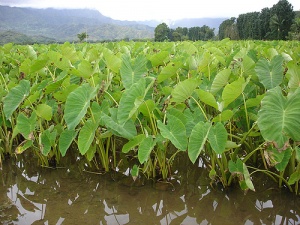
<p>Maui taro farmers need your help. Our beloved Haloa is once again under the threat of being generically modified, this time on Maui. The Maui County Council needs to<img src="/kahea/kahea/images/108368508_84fab164e0.jpg" title="108368508_84fab164e0" height="225" width="300" alt="108368508_84fab164e0" class="alignright size-medium wp-image-914" /> hear from the public on this issue. Please voice your opinion (in Haloa&#8217;s favor of course) and let it be known to the council that you care about the purity of the kalo within the islands. Take a minute out of your day to contact the council and show your opposition to GM taro. Monsanto, Dow Chemical, and Syngenta have been making their rounds, so pick up your phone and show them that Hawaii doesn&#8217;t back down on this issue.<br /><em><br />
Ask them to support Bill 09-100 and help protect taro from genetic modification.</em></p>
<p>Council members to contact:</p>
<p>Mike Molina (Haiku, Paia, Makawao)&#160; 270-5507<br />
Gladys Baisa (Kula, Pukalani, Ulupalakua)&#160; 270-7939<br />
Joe Pontanilla (Kahului) 270-5501<br />
Jo Anne Johnson (West Maui) 270-5504<br />
Danny Mateo (Molokai) 270-7678<br />
Sol Kaho&#8217;ohalahala (Lanai) 270-7768<br />
Bill Medeiros (East Maui) 270-7246<br />
Wayne Nishiki (South Maui) 270-7108<br />
Michael Victorino (Wailuku, Waihee, Waikapu) 270-7760</p>
<p><strong>Councilmembers are expected to make a key decision in this process by July 16th, so please, please, please call them today.&#160; Your phone call could help to extend the shield of protection for taro to one more county.</strong></p>
									]]></content:encoded>
    <dc:publisher>No publisher</dc:publisher>
    <dc:creator>melissakolonie</dc:creator>
    <dc:rights></dc:rights>
    
      <dc:subject>gmo</dc:subject>
    
    
      <dc:subject>farmers</dc:subject>
    
    
      <dc:subject>Maui County Council</dc:subject>
    
    
      <dc:subject>activism</dc:subject>
    
    
      <dc:subject>kalo</dc:subject>
    
    
      <dc:subject>1</dc:subject>
    
    
      <dc:subject>food sovereignty</dc:subject>
    
    
      <dc:subject>taro</dc:subject>
    
    <dc:date>2009-07-15T20:01:38Z</dc:date>
    <dc:type>Blog Entry</dc:type>
  </item>


  <item rdf:about="https://kahea.org/blog/city-state-let-garbage-dump-on-waianae">
    <title>City, State Let Garbage Dump on Waianae</title>
    <link>https://kahea.org/blog/city-state-let-garbage-dump-on-waianae</link>
    <description></description>
    <content:encoded xmlns:content="http://purl.org/rss/1.0/modules/content/"><![CDATA[<script type="text/javascript" src="http://s0.wp.com/wp-content/plugins/adverts/adsense.js?m=1268502267g&1"></script><p><em>From: Stewart</em></p>
<p>If Waianae residents want to stop people from treating their community like a garbage dump, they shouldn&#8217;t expect much from the City and County of Honolulu or the State of Hawaii.&#160; It took private citizens &#8211; namely a handful of KAHEA allies &#8211; to police the neighborhood and call attention to an illegal dump that appears to have been operating for years.</p>
<p>The <a href="http://www.honoluluadvertiser.com/article/20090712/NEWS01/907120363">latest reports</a> of apparent illegal dumping in Waianae come less than a month after reports that Honolulu <a href="http://www.starbulletin.com/news/20090616_Citys_alleged_dumping_in_stream_investigated.html">city workers had been dumping huge amounts of broken concrete in a stream in Waianae in violation of the federal Clean Water Act</a>.</p>
<p>According to Will Hoover&#8217;s report in The Honolulu Advertiser, the more recent discovery was prompted by Lucy Gay, director of Continuing Education &amp; Training at Leeward Community College in Wai&#8217;anae. &#160;Auntie Lucy, Hoover reported, learned about the landfill from a colleague who hiked the isolated area over the July Fourth weekend and stumbled across huge debris piles.&#160; Auntie Lucy joined Auntie &#160;Alice Greenwood &#160;and investigated the site on their own and contacted Carroll Cox of EnviroWatch. The three returned on Thursday, along with students from Leeward Community College.</p>
<p>Although the dump found by Auntie Lucy and Auntie Alice appears to be illegal, the City and County of Honolulu seems intent on taking more formal action to make Waianae the official trash heap of Oahu.&#160; Namely, the Honolulu Department of Planning and Permitting is drafting a new development plan for Waianae that will serve as the basis for zoning decisions in the area, and it seems Mayor Hannemann wants to let a landowner rezone some agriculture land into industrial land to allow for a garbage dump. &#160;The new plan will have to allow for this change.</p>
<p>The first battle will be before the City Council, which will need to approve the Mayor&#8217;s development plan.&#160;&#160; As with the illegal dump, citizens are going to have to step up. &#160; As recent history has shown, City Hall would just as well let Waianae get trashed.</p>

<!--adcode-->
<div align="center" style="padding-top: 5px; text-align: left;" class="adcode">
<script type="text/javascript"><!--
google_ad_client = "pub-3443918307802676";
google_ad_output = "js";
google_feedback = "on";
google_max_num_ads = "4";
google_ad_width = 336;
google_ad_height = 280;
google_ad_format = "336x280_as";
google_image_size = "336x280";
google_ad_type = "text,flash,html";
google_ad_channel ="7770228814+6875057225+7401333398+7453468586+8921623278+2794543176";
var color_bg = 'ffffff';
var color_text = '000000';
var color_link = '265E15';
var color_border = 'ffffff';
var color_url = '265E15';

google_analytics_domain_name = "none";
//--></script><script type="text/javascript" src="http://pagead2.googlesyndication.com/pagead/show_ads.js"></script></div>
<div style="clear: both"><br /></div>
<!--/adcode-->
									]]></content:encoded>
    <dc:publisher>No publisher</dc:publisher>
    <dc:creator>Stewart</dc:creator>
    <dc:rights></dc:rights>
    
      <dc:subject>activism</dc:subject>
    
    
      <dc:subject>environmental justice</dc:subject>
    
    
      <dc:subject>island sustainability</dc:subject>
    
    
      <dc:subject>land and cultural rights</dc:subject>
    
    <dc:date>2009-07-14T23:54:16Z</dc:date>
    <dc:type>Blog Entry</dc:type>
  </item>


  <item rdf:about="https://kahea.org/blog/got-input-for-the-army-on-its-environmental-investigations-apply-by-august-14">
    <title>Got Input for the Army on its Environmental Investigations?  Apply by August 14!</title>
    <link>https://kahea.org/blog/got-input-for-the-army-on-its-environmental-investigations-apply-by-august-14</link>
    <description></description>
    <content:encoded xmlns:content="http://purl.org/rss/1.0/modules/content/"><![CDATA[<script type="text/javascript" src="http://s0.wp.com/wp-content/plugins/adverts/adsense.js?m=1282902788g&1"></script><p><em>From:&#160; Andrea</em></p>
<p>U.S. Army Garrison-Hawaii is soliciting community interest in creating a Restoration Advisory Board as part of the Military Munitions Response Program for two sites near the U.S. Army&#8217;s Pohakuloa Training Area.&#160; The motivation for the Restoration Advisory Board is to enable community participation in environmental issues on previously used military training sites.</p>
<p>Currently, the focus of the Restoration Advisory Board would be the remedial investigation of two response sites:&#160; the closed Humuula Sheep Station and the Kulani Boys&#8217; Home.</p>
<p>The Board will be formed if enough community interest is expressed.&#160; The Board would be composed of community members, government representatives, and other stakeholders.&#160; The Board members would attend meetings and review and comment on plans and reports related to the investigation.</p>
<p>For more information or to request an application, contact:</p>
<p>Environmental Divison</p>
<p>MMRP Program Manager</p>
<p>Director of Public Works, USAG-HI</p>
<p>948 Santos Dumont Ave.</p>
<p>Building 105, 3rd Floor, WAAF</p>
<p>Schofield Barracks, HI 96857</p>
<p>Phone:&#160; 808-656-3109</p>
<p>Fax:&#160; 808-656-1039</p>
<p><strong>*Applications must be postmarked or emailed by August 14!</strong></p>

<!--adcode-->
<div align="center" style="padding-top: 5px; text-align: left;" class="adcode">
<script type="text/javascript"><!--
google_ad_client = "pub-3443918307802676";
google_ad_output = "js";
google_feedback = "on";
google_max_num_ads = "4";
google_ad_width = 336;
google_ad_height = 280;
google_ad_format = "336x280_as";
google_image_size = "336x280";
google_ad_type = "text,flash,html";
google_ad_channel ="7770228814+6875057225+7401333398+7453468586+2794543176";
var color_bg = 'ffffff';
var color_text = '000000';
var color_link = '265E15';
var color_border = 'ffffff';
var color_url = '265E15';

google_analytics_domain_name = "none";
//--></script><script type="text/javascript" src="http://pagead2.googlesyndication.com/pagead/show_ads.js"></script></div>
<div style="clear: both"><br /></div>
<!--/adcode-->
									]]></content:encoded>
    <dc:publisher>No publisher</dc:publisher>
    <dc:creator>andreaaseff</dc:creator>
    <dc:rights></dc:rights>
    
      <dc:subject>activism</dc:subject>
    
    
      <dc:subject>conservation</dc:subject>
    
    
      <dc:subject>cultural rights</dc:subject>
    
    
      <dc:subject>development</dc:subject>
    
    
      <dc:subject>environmental justice</dc:subject>
    
    
      <dc:subject>island sustainability</dc:subject>
    
    
      <dc:subject>land and cultural rights</dc:subject>
    
    
      <dc:subject>malama</dc:subject>
    
    
      <dc:subject>militarization</dc:subject>
    
    
      <dc:subject>military</dc:subject>
    
    
      <dc:subject>military toxics</dc:subject>
    
    
      <dc:subject>other</dc:subject>
    
    
      <dc:subject>sustainability</dc:subject>
    
    <dc:date>2009-07-14T21:12:15Z</dc:date>
    <dc:type>Blog Entry</dc:type>
  </item>


  <item rdf:about="https://kahea.org/blog/32-tons-of-marine-litter-sadly-the-tip-of-the-iceberg">
    <title>32 Tons of Marine Litter Removed:  Sadly, the Tip of the Iceberg</title>
    <link>https://kahea.org/blog/32-tons-of-marine-litter-sadly-the-tip-of-the-iceberg</link>
    <description></description>
    <content:encoded xmlns:content="http://purl.org/rss/1.0/modules/content/"><![CDATA[<p><em>From:&#160; Andrea</em></p>
<p>The U.S. Coast Guard removed 32 tons of debris from the Northwestern Hawaiian Islands over the Fourth of July weekend.&#160; Much thanks to the Coast Guard for ameliorating the health of our oceans!&#160; See the Honolulu Advertiser article:</p>
<p><a href="http://www.honoluluadvertiser.com/article/20090713/BREAKING01/307130004/U.S.%20Coast%20Guard%20removes%2032%20tons%20of%20debris%20from%20Northwestern%20Hawaiian%20Islands?GID=e/Si+j1sOYkNlMXAMxQScaqw1wgB5/Nurtn+5iNvNh8%3D" title="Honolulu Advertiser article">http://www.honoluluadvertiser.com/article/20090713/BREAKING01/307130004/U.S.%20Coast%20Guard%20removes%2032%20tons%20of%20debris%20from%20Northwestern%20Hawaiian%20Islands?GID=e/Si+j1sOYkNlMXAMxQScaqw1wgB5/Nurtn+5iNvNh8%3D </a></p>
<p>While I am glad that efforts to clean up marine litter are taking place, especially in such an&#160; irreplaceable, nationally protected locale, 32 tons is only the tip of the iceberg.&#160; The scale of this problem is vast.&#160; Marine litter filling our oceans is a global problem affecting all people and nations.&#160; Marine litter, of which 80% are plastics, harms marine life, degrades human health, and results in tremendous social, economic, and cultural costs.</p>
<p>The United Nations Environment Programme recognizes this immense ocean dilemma that affects everyone.&#160; In April 2009, &#160; the UN Environment Programme released a report titled &#8220;Marine Litter:&#160; A Global Challenge.&#8221;&#160; Find the report at:</p>
<p><a href="http://www.unep.org/pdf/UNEP_Marine_Litter-A_Global_Challenge.pdf" title="UNEP Marine Litter report 2009">http://www.unep.org/pdf/UNEP_Marine_Litter-A_Global_Challenge.pdf</a></p>
<p>&#8220;There is an increasingly urgent need to approach the issue of marine litter through better enforcement of laws and regulations, expanded outreach and educational campaigns, and the employment of strong economic instruments and incentives,&#8221; the report says.</p>
<p>The report also notes that the &#8220;overall situation is not improving.&#8221; Thank you, Coast Guard, for your part.&#160; But, we must do our part, too.</p>
<p>What can you do to help reduce marine litter?</p>
<ul><li>Keep streets, sidewalks, parking lots, and storm drains free of trash to prevent washing trash into the ocean and waterways.</li>
<li>Take reusable items- and less trash and throw-away containers- to the beach.</li>
<li>At the beach, be sure to recycle what you can and throw the rest of your trash into trash cans.&#160; Do not leave trash or anything else, like plastic toys or containers, at the beach when you leave.</li>
<li>Pick up debris that other people have left; recycle what you can, and throw the rest away in a trash can.</li>
<li>When fishing, take all of your nets, gear, and other materials back onshore to recycle or dispose of in a trash can.</li>
<li>If you smoke, take your butts with you, disposing of them in a trash can.</li>
<li>When boating, stow and secure all trash on the vessel.</li>
<li>Participate in local clean-ups.&#160; Here&#8217;s one resource:&#160; <a href="http://www.adoptabeachhawaii.com/">http://www.adoptabeachhawaii.com/</a></li>
<li>Reduce, reuse, recycle.</li>
<li>Serve as an example to others.</li>
</ul>]]></content:encoded>
    <dc:publisher>No publisher</dc:publisher>
    <dc:creator>andreaaseff</dc:creator>
    <dc:rights></dc:rights>
    
      <dc:subject>Hawaiian Monk Seal</dc:subject>
    
    
      <dc:subject>NWHI</dc:subject>
    
    
      <dc:subject>Northwest Hawaiian Islands</dc:subject>
    
    
      <dc:subject>access</dc:subject>
    
    
      <dc:subject>activism</dc:subject>
    
    
      <dc:subject>beach access</dc:subject>
    
    
      <dc:subject>beaches</dc:subject>
    
    
      <dc:subject>conservation</dc:subject>
    
    
      <dc:subject>cultural rights</dc:subject>
    
    
      <dc:subject>development</dc:subject>
    
    
      <dc:subject>environmental justice</dc:subject>
    
    
      <dc:subject>hawaii</dc:subject>
    
    
      <dc:subject>island sustainability</dc:subject>
    
    
      <dc:subject>land and cultural rights</dc:subject>
    
    
      <dc:subject>marine protected area</dc:subject>
    
    
      <dc:subject>marine reserve</dc:subject>
    
    
      <dc:subject>monk seals</dc:subject>
    
    
      <dc:subject>northwestern hawaiian islands</dc:subject>
    
    
      <dc:subject>ocean</dc:subject>
    
    
      <dc:subject>ocean protection</dc:subject>
    
    
      <dc:subject>oceans</dc:subject>
    
    
      <dc:subject>shoreline</dc:subject>
    
    
      <dc:subject>sustainability</dc:subject>
    
    <dc:date>2009-07-14T01:11:42Z</dc:date>
    <dc:type>Blog Entry</dc:type>
  </item>


  <item rdf:about="https://kahea.org/blog/more-like-department-of-health-right-to-know-act">
    <title>More Like Department of Health-Right-to-Know Act</title>
    <link>https://kahea.org/blog/more-like-department-of-health-right-to-know-act</link>
    <description></description>
    <content:encoded xmlns:content="http://purl.org/rss/1.0/modules/content/"><![CDATA[<script type="text/javascript" src="http://s0.wp.com/wp-content/plugins/adverts/adsense.js?m=1285358413g&1"></script><p><em>From:&#160; Andrea</em></p>
<p>Sparked by curiosity about the legal procedure for chemical spills and releases, I have been researching the Hawaii Emergency Planning and Community-Right-to-Know Act.&#160; After days picking apart the details of this Act and&#160; related regulations, I am left to wonder where I may find the &#8220;Community-Right-to-Know&#8221; aspect.</p>
<p>It seems like it should be called Department of Health-Right-to-Know.&#160; Nowhere in this Act is there a mandate for notifying the public when there is a chemical release or spill.&#160; Facilities that store hazardous and extremely hazardous substances over a threshold amount are bound to report their chemical inventory and releases or spills to the Department.&#160;&#160; But, what about notifying the public of this danger?</p>
<p>As discovered by a call to the Hawaii Office of Hazard Evaluation and Emergency Response, the Department of Health is not bound to notify the public.&#160; The Department decides, within its discretion, whether to notify the public through a general statement about a chemical release in the community.</p>
<p>When I started researching this law, I expected to find public notification requirements about what hazardous substances are present in the community and when they are accidentally released.&#160; The only public right-to-know is the ability to request records on particular facilities from the Department of Health.&#160; But, this policy does not truly inform the community because members of the public must know exactly what they are looking for in order to request that information.</p>
<p>If the apparent goal of the Act is the community&#8217;s right-to-know about the presence and release of hazardous substances within the community, there should be a provision binding the Department of Health to notify the public.&#160; In other words, the Department should make records on these hazardous substances more accessible to the public, actually informing the community in a meaningful way.</p>
<p>As it stands now, the Hawaii Emergency Planning and Community-Right-to-Know Act requires notifying the Department, but there is an essential step missing in the process:&#160; notifying the public, rather than requiring the public to specifically request information that is not generally public knowledge.&#160; The onus should be on the Department, the information-bearing party, not the public.</p>

<!--adcode-->
<div align="center" style="padding-top: 5px; text-align: left;" class="adcode">
<script type="text/javascript"><!--
google_ad_client = "pub-3443918307802676";
google_ad_output = "js";
google_feedback = "on";
google_max_num_ads = "4";
google_ad_width = 336;
google_ad_height = 280;
google_ad_format = "336x280_as";
google_image_size = "336x280";
google_ad_type = "text,flash,html";
google_ad_channel ="7770228814+6875057225+7401333398+7453468586+2141574685+2794543176";
var color_bg = 'ffffff';
var color_text = '000000';
var color_link = '265E15';
var color_border = 'ffffff';
var color_url = '265E15';

google_analytics_domain_name = "none";
//--></script><script type="text/javascript" src="http://pagead2.googlesyndication.com/pagead/show_ads.js"></script></div>
<div style="clear: both"><br /></div>
<!--/adcode-->
									]]></content:encoded>
    <dc:publisher>No publisher</dc:publisher>
    <dc:creator>andreaaseff</dc:creator>
    <dc:rights></dc:rights>
    
      <dc:subject>1</dc:subject>
    
    
      <dc:subject>activism</dc:subject>
    
    
      <dc:subject>environmental justice</dc:subject>
    
    
      <dc:subject>island sustainability</dc:subject>
    
    
      <dc:subject>land and cultural rights</dc:subject>
    
    
      <dc:subject>legislature</dc:subject>
    
    <dc:date>2009-07-13T20:40:48Z</dc:date>
    <dc:type>Blog Entry</dc:type>
  </item>


  <item rdf:about="https://kahea.org/blog/hb-1522-kahana-residents-still-fighting-to-retain-their-homes">
    <title>HB 1522:  Kahana Residents Still Fighting to Retain Their Homes</title>
    <link>https://kahea.org/blog/hb-1522-kahana-residents-still-fighting-to-retain-their-homes</link>
    <description></description>
    <content:encoded xmlns:content="http://purl.org/rss/1.0/modules/content/"><![CDATA[<p><em>From</em>:&#160; Andrea</p>
<p>Kahana residents have not ceased their tireless fight to stay in their homes.&#160; Since their homeland was condemned as a state park in the &#8217;60s, the people of Kahana have had to battle the State of Hawaii to stay in their homes.</p>
<p>And, now, after the State found illegal the law passed in &#8217;93 to allow long-term leases for pre-existing residents in Kahana State Park, legislation has been proposed to ameliorate this unsettling situation for now.</p>
<p>House Bill 1552 presented Kahana residents an interim solution from being forced to leave their homes.&#160; Public process gave them a way to voice their interests within the decision-making arena.&#160; Reflecting Kahana residents&#8217; input, the bill would help Kahana residents in the following ways:</p>
<ul><li>Authorize Department of Land and Natural Resources to issue long-term residential leases to Kahana residents;</li>
<li>Establish planning councils to develop a park Master Plan; and</li>
<li> Establish a 2-year moritorium on evictions of Kahana valley residents.</li>
</ul><p>But, now, Governor Lingle has voiced her intent to veto the bill, apparently under the guise of prohibiting illegal activities in Kahana.&#160; If that&#8217;s the case, go after the illegal activities as the government would do so anywhere else!&#160; The State should not perpetuate the suffering of long-time Kahana residents who are not participating in illegal activities because some residents are breaking the law there.</p>
<p>Want to support Kahana residents in their fight to protect their homes?</p>
<p><strong>Oppose Governor Lingle&#8217;s intent to veto HB 1522:</strong></p>
<p>Wednesday, July 8, 11 a.m.</p>
<p>Demonstration at the State Capitol</p>
									]]></content:encoded>
    <dc:publisher>No publisher</dc:publisher>
    <dc:creator>andreaaseff</dc:creator>
    <dc:rights></dc:rights>
    
      <dc:subject>activism</dc:subject>
    
    
      <dc:subject>conservation</dc:subject>
    
    
      <dc:subject>environmental justice</dc:subject>
    
    
      <dc:subject>hawaii</dc:subject>
    
    
      <dc:subject>island sustainability</dc:subject>
    
    
      <dc:subject>land and cultural rights</dc:subject>
    
    
      <dc:subject>legislature</dc:subject>
    
    
      <dc:subject>other</dc:subject>
    
    
      <dc:subject>sustainability</dc:subject>
    
    <dc:date>2009-07-07T01:14:23Z</dc:date>
    <dc:type>Blog Entry</dc:type>
  </item>


  <item rdf:about="https://kahea.org/blog/853">
    <title>Update on GMO Free Taro on Maui</title>
    <link>https://kahea.org/blog/853</link>
    <description></description>
    <content:encoded xmlns:content="http://purl.org/rss/1.0/modules/content/"><![CDATA[<p><em>From Alana:</em></p>
<p>A bill to prohibit genetically engineered taro is still being debated on Maui. Counselors are unable to decide whether to let the bill pass or not and say they want more information. The bill would prohibit &#8220;any person to test, propagate, cultivate, raise, plant, grow, introduce, transport or release genetically engineered or recombinant DNA kalo, or taro.&#8221; Citing it as &#8220;biological pollution&#8221;, Council Member Bill Medeiros also says:</p>
<blockquote><p>I think we need to be brave. This is not something popular to do. This is something right to do.</p></blockquote>
<p>The bill was met with some opposition, though, by the Department of Environmental Management Director Cheryl Okuma, who basically says that it&#8217;s too much effort to enforce the ban.</p>
<p>Laziness from the Dept. of Environmental Management should not deter kalo from having a secure future in Hawai&#8217;i.</p>
<p><a href="http://www.mauinews.com/page/content.detail/id/520417.html">Click here for the full article. </a></p>
									]]></content:encoded>
    <dc:publisher>No publisher</dc:publisher>
    <dc:creator>alanakahea</dc:creator>
    <dc:rights></dc:rights>
    
      <dc:subject>activism</dc:subject>
    
    
      <dc:subject>gmo</dc:subject>
    
    
      <dc:subject>kalo</dc:subject>
    
    
      <dc:subject>taro</dc:subject>
    
    <dc:date>2009-07-01T23:13:15Z</dc:date>
    <dc:type>Blog Entry</dc:type>
  </item>


  <item rdf:about="https://kahea.org/blog/another-strong-argument-against-tmt">
    <title>How many telescopes?</title>
    <link>https://kahea.org/blog/another-strong-argument-against-tmt</link>
    <description></description>
    <content:encoded xmlns:content="http://purl.org/rss/1.0/modules/content/"><![CDATA[<p><em>From Alana:</em></p>
<p>Following last night&#8217;s passionate hearing regarding the proposed Mauna Kea Thirty-meter telescope, a letter to the editor to was sent to <em>The Star Bulletin</em>&#160;strongly opposing the telescope. The letter details the long history of cheating and cutting corners, in terms of environmental and cultural laws, that Mauna Kea developers have had.</p>
<blockquote><p>Testifiers at last week&#8217;s Hilo EIS meeting revealed that the EIS presented a lesser number of telescopes in the science reserve than in previous documents &#8212; by changing how they&#8217;re counted. Did this new counting strategy intend to leave the impression the TMT would fit within the &#8220;11 major telescope&#8221; limit mandated in the 1985 management plan approved by Board of Land and Natural Resources? The land board established that limit specifically to prevent astronomy interests from &#8220;taking over&#8221; the mountaintop. One person at the Hilo meeting counted, in front of everyone, 21 domes or antennas already on the mountain.</p></blockquote>
<p>UH claims to have changed, and that its building practices will be better, but there is nothing in their plan that can attest to that claim&#8211; especially in a plan that blatantly lies about the number of telescopes on Mauna Kea.&#160;</p>
<p>For the whole letter, written by Catherine Robbins (Volcano, HI) <a href="http://www.starbulletin.com/editorials/20090626_Letters_to_the_editor.html">click here.&#160;</a></p>
									]]></content:encoded>
    <dc:publisher>No publisher</dc:publisher>
    <dc:creator>alanakahea</dc:creator>
    <dc:rights></dc:rights>
    
      <dc:subject>activism</dc:subject>
    
    
      <dc:subject>conservation</dc:subject>
    
    
      <dc:subject>land and cultural rights</dc:subject>
    
    
      <dc:subject>legislature</dc:subject>
    
    
      <dc:subject>mauna kea</dc:subject>
    
    
      <dc:subject>sacred summit</dc:subject>
    
    
      <dc:subject>telescopes</dc:subject>
    
    <dc:date>2009-06-27T02:49:30Z</dc:date>
    <dc:type>Blog Entry</dc:type>
  </item>


</rdf:RDF>