<?xml version="1.0" encoding="utf-8" ?>
<rdf:RDF xmlns:rdf="http://www.w3.org/1999/02/22-rdf-syntax-ns#" xmlns:dc="http://purl.org/dc/elements/1.1/" xmlns:syn="http://purl.org/rss/1.0/modules/syndication/" xmlns="http://purl.org/rss/1.0/">


<channel rdf:about="https://kahea.org/search_rss">
  <title>KAHEA</title>
  <link>https://kahea.org</link>

  <description>
    
            These are the search results for the query, showing results 1 to 15.
        
  </description>


  <image rdf:resource="https://kahea.org/logo.png"/>

  <items>
    <rdf:Seq>
      
        <rdf:li rdf:resource="https://kahea.org/blog/critcal-habitat-critical-discussion"/>
      
      
        <rdf:li rdf:resource="https://kahea.org/press-room/press-clips/lawsuit-challenges-industrial-aquaculture-2018fishing-permit2019"/>
      
      
        <rdf:li rdf:resource="https://kahea.org/blog/ahi-feedlot-abandons-ship"/>
      
      
        <rdf:li rdf:resource="https://kahea.org/blog/monster-salmon-and-not-in-a-good-way"/>
      
      
        <rdf:li rdf:resource="https://kahea.org/blog/that-deafness-its-only-temporary"/>
      
      
        <rdf:li rdf:resource="https://kahea.org/blog/come-talkstory-shoreline-fishing-issues-at-kaena-june-27th"/>
      
      
        <rdf:li rdf:resource="https://kahea.org/blog/april-round-up-on-pono-aquaculture"/>
      
      
        <rdf:li rdf:resource="https://kahea.org/blog/noaa-listening-session-report-back"/>
      
      
        <rdf:li rdf:resource="https://kahea.org/blog/why-jay-hates-us-this-week"/>
      
      
        <rdf:li rdf:resource="https://kahea.org/blog/unveiling-paa-pono-aquaculture-alliance"/>
      
      
        <rdf:li rdf:resource="https://kahea.org/blog/mahalo-to-snorkel-bob"/>
      
      
        <rdf:li rdf:resource="https://kahea.org/blog/kaheaothers-files-suit-to-stop-longline-fishery-from-tripling-sea-turtle-kill"/>
      
      
        <rdf:li rdf:resource="https://kahea.org/blog/more-commentary-on-ocean-policy-task-force-listening-session"/>
      
      
        <rdf:li rdf:resource="https://kahea.org/blog/we-should-take-pride-in-our-fishponds"/>
      
      
        <rdf:li rdf:resource="https://kahea.org/blog/offshore-aquaculture-is-not-fishing-act-of-2009"/>
      
    </rdf:Seq>
  </items>

</channel>


  <item rdf:about="https://kahea.org/blog/critcal-habitat-critical-discussion">
    <title>Monk Seals: Critcal habitat, Critical discussion</title>
    <link>https://kahea.org/blog/critcal-habitat-critical-discussion</link>
    <description>In the last few weeks, we’ve received letters of strong support and strong opposition to the proposed rule on critical habitat for the Hawaiian monk seal. We hope this blog will open up some safe space for discussion.</description>
    <content:encoded xmlns:content="http://purl.org/rss/1.0/modules/content/"><![CDATA[<p><span id="internal-source-marker_0.18010315820179712">In the last few weeks, we’ve received letters of strong support and strong opposition to the proposed rule on </span><a class="internal-link" href="resolveuid/2d24fe8160e1f790422eddd08d3574ce"><span>critical habitat for the Hawaiian monk seal</span></a><span>.  The advocacy we do is grassroots and participatory at its heart, and we  are grateful to everyone who took the time to write. Advocacy by its  nature means taking up a position on a policy and vision -- positions  that can be controversial, and open up community disagreement even  within our KAHEA ‘ohana. I am writing this blog to help clarify why we  so strongly support critical habitat for monk seals, how it’s different  from seal translocation, and why we believe these protections will  ensure a better future for beaches and nearshore ocean areas for </span><span>everyone </span><span>in Hawai’i.</span><span></span><br /><span></span></p>
<p>A comment typical of some we have received is this one:</p>
<p style="padding-left: 30px; "><i><span>We  are very disappointed that you are sponsoring 1 or 2 bills to bring  more monk seals to Hawaii and/or to make Hawaii a critical habitat for  monk seals.  We have had many, many negative experiences with the seals  taking our catches from our lines, in our bags, our nets and chasing  fishermen. It's not that we have no sensitivity to the seal, who has  many, many laws and organizations protecting them that they will most  likely survive, it is just more important to us to be able to feed our  Children and Grandchildren and future generations.</span><span> </span></i><br /><span></span></p>
<p><span>We understand and don’t dispute that monk seals have become competitors to subsistence fishermen and sympathize with the sad situation of having to compete for limited resources, but we are hoping that critical habitat will prevent projects that will hurt the health of our nearshore fisheries. It will restrict the construction of any projects that receive federal money or permitting on shorelines identified as critical habitat. </span><span>This is where monk seals and local fishers may be in the same boat.<span style="padding-left: 0px; "> Poorly planned shoreline development increases coral-killing run-off, sedimentation, and pollution.</span> Dead coral means dead reefs full of wana instead of fish. The critical habitat rule could force some developers into consultations with NMFS, who, ideally, would identify these adverse impacts on fisheries (monk seal food) and correct the project. In this way, <b style="padding-left: 0px; ">protecting monk seal habitat means protecting fishing resources for other species, like fishers who want to feed their children for generations</b>.</span></p>
<p><b>Critical habitat does not import seals. </b><span>Translocation of  monk seals (from the NW Hawaiian Islands, to the Main HI) is a different proposal from critical habitat. <span> </span><span>Critical habitat protects the beach from projects that are federally permitted or funded, both for monk seals and fishermen (and other beachgoers).</span> Translocation is capturing monk seal pups from the NW Islands and bringing them to the Main Islands -- to eat -- with the intent of re-capturing them and returning them to the NW Islands after a few years.  The jury is still out at KAHEA whether translocation is a good idea, b</span><span>ut we all definitely agree, NMFS must be more forthcoming about the extent to which the Critical habitat rule and the translocation proposal are related</span><span>.  KAHEA began pushing for critical habitat over three years ago, long before translocation was ever offered up as an actual possibility. </span></p>
<p><span></span><span>It is true, monk seals are showing up more and more in the Main  Hawaiian Islands, possibly the result of the collapse of fisheries like  the slipper and spiny lobster in the Northwestern Hawaiian Islands.  These fisheries were  finally closed in 2000, but the lobster numbers have not since bounced back, and  neither have those of the monk seal. </span><span>It's a sad cycle--man ate their food, so  now they're here eating our food. </span><span dir="ltr" id=":te">Decades of poor fisheries management by WESPAC  has contributed to the unraveling of our ecology, leading to increased  competition for fish.</span><span> </span><span>In addition to  malnutriton/starvation, other threats to monk seals include  entanglements, sea level and temperature rise--all problems created by  man. The result is that <b>people who eat from the sea and monk seals who eat from the sea are  both suffering</b></span><span>. </span></p>
<p><span>Without critical habitat, competition between seals and ocean users will likely only increase in the future. Poorly planned developments would continue to be allowed along our shorelines, diminishing the overall quality of our resources and leaving less to share amongst us all.  We support critical habitat because is one solid step towards controlling a threat to the survival of both seals and people who rely on the ocean. </span></p>
<p><span></span>Another typical comment:</p>
<p style="padding-left: 30px; "><i><span>You  and you organization are costing the taxpayers lots of money and are  assisting the federal government in their desire to take away even more  from the Hawaiian People.</span></i></p>
<p><span>Critical  habitat does not take away land from Hawaiʻi's people and it cannot be  used as a basis for limiting public access to beaches or stopping people  from shorecasting or anything like that.  Basically, if you don't need a  federal permit to do what you are doing now, then critical habitat will not  affect what you are doing once it is established. </span><span></span><br /><span></span><br /><span>We  support critical habitat for the monk seal because it is a solid and  inexpensive step towards helping the monk seal actually survive -- at  the same time it protects our shorelines and nearshore waters from inappropriate  development and general misuse that are permitted or funded by the federal government. <b>While we agree  that monk seals have become nuisances to fisherman, we don’t think they  should be forced into extinction. </b> We support critical habitat because we believe extinction is a heavy thing and a very real possibility facing the Hawaiian monk seal.</span><br /><span></span><br /><span>We encourage your feedback.  And regardless  of what side of the issue you are on, please submit a comment. NMFS needs  to know about the lack of trust our community has for their actions, and understand the real root of the divide in our community. To submit a  comment, go to </span><span><a href="http://www.regulations.gov/">http://www.regulations.gov/</a>. </span><span>Insert the <b>reference number </b></span><span><b>0648-BA81 </b></span><span>in  the search box. A list of different regulations will come up, look for  monk seals. Click on it and look for the orange button at the top right  to submit a comment. The deadline for written comments is August 31st.</span></p>
<p>E aloha `āina.</p>]]></content:encoded>
    <dc:publisher>No publisher</dc:publisher>
    <dc:creator>Shelley</dc:creator>
    <dc:rights></dc:rights>
    
      <dc:subject>Hawaiian Monk Seal</dc:subject>
    
    
      <dc:subject>National Marine Fisheries Service</dc:subject>
    
    
      <dc:subject>ocean protection</dc:subject>
    
    
      <dc:subject>fisheries</dc:subject>
    
    
      <dc:subject>food</dc:subject>
    
    
      <dc:subject>human footprint</dc:subject>
    
    
      <dc:subject>critical habitat</dc:subject>
    
    
      <dc:subject>sea level rise</dc:subject>
    
    
      <dc:subject>NWHI</dc:subject>
    
    
      <dc:subject>Monk seal starvation</dc:subject>
    
    
      <dc:subject>marine habitat</dc:subject>
    
    
      <dc:subject>endangered species</dc:subject>
    
    
      <dc:subject>Ocean sustainability</dc:subject>
    
    
      <dc:subject>shoreline protection</dc:subject>
    
    
      <dc:subject>extinction</dc:subject>
    
    
      <dc:subject>marine mammals</dc:subject>
    
    
      <dc:subject>Northwest Hawaiian Islands</dc:subject>
    
    
      <dc:subject>human impacts</dc:subject>
    
    <dc:date>2011-08-21T15:35:00Z</dc:date>
    <dc:type>Blog Entry</dc:type>
  </item>


  <item rdf:about="https://kahea.org/press-room/press-clips/lawsuit-challenges-industrial-aquaculture-2018fishing-permit2019">
    <title>Lawsuit challenges industrial aquaculture ‘fishing permit’</title>
    <link>https://kahea.org/press-room/press-clips/lawsuit-challenges-industrial-aquaculture-2018fishing-permit2019</link>
    <description>A lawsuit filed today in Hawaii’s Federal District Court challenges a fishing gear permit issued to Kona Blue Water Farm by the National Marine Fisheries Service (NMFS) for its open ocean aquaculture “aquapods.”</description>
    <content:encoded xmlns:content="http://purl.org/rss/1.0/modules/content/"><![CDATA[<p><br />HONOLULU—A lawsuit filed today in Hawaii’s Federal District Court challenges a fishing gear permit issued to <a href="http://www.kona-blue.com/index.php" target="_blank">Kona Blue Water Farm</a> by the <a href="http://www.pifsc.noaa.gov/" target="_blank">National Marine Fisheries Service</a> (NMFS) for its open ocean aquaculture “aquapods.”</p>
<p>Local watchdog group <a href="../../" target="_blank">KAHEA: The Hawaiian-Environmental Alliance</a> and the D.C.-based <a href="http://www.foodandwaterwatch.org/" target="_blank">Food and Water Watch</a> filed the lawsuit to address the misapplication of commercial fishing regulations to industrial aquaculture activities.</p>
<p>“Industrial aquaculture equipment is not ‘fishing gear’ by any stretch of the imagination,” said Marti Townsend of KAHEA. “Industrial aquaculture has distinct effects on the health of our ocean resources. These facilities do not belong in our federal waters. But if they are to be permitted, they need their own specific regulations, not this kind of ‘force it to fit’ approach to regulation and resource management.”</p>
<p>According to the complaint, under federal law, the defendants can only issue a fishing permit if authorized to do so under a regional Fishery Management Plan, which they were not. The complaint points out that defendants lacked the statutory authority to issue a fishing permit for Kona Blue’s aquaculture venture and states that they “acted outside their authority and arbitrarily and capriciously in issuing it.”</p>
<p>“There is a process for making these kinds of decisions,” Townsend added. “NMFS has no excuse for not following the established process for regulating new uses of our collective ocean resources.”</p>
<p>The complaint also accuses NMFS of failing to adequately assess the environmental impacts in violation of federal law.</p>
<p>Industrial aquaculture operations in Hawaii have damaged the environment, interfered with traditional and customary practices of Native Hawaiians, and pushed for the privatization of public trust ocean resources, KAHEA said. Throughout the world, industrial aquaculture has contributed to the decline of wild fish stocks and water pollution.</p>
<p>The aquapods released last month are not the first to be released into Hawaii’s oceans. In March, Kona Blue Water attempted to launch two aquapods into the Alenuihaha Channel ahead of receiving its “fishing gear” permit, but immediately lost both aquapods at sea due to rough waters. One aquapod washed ashore, the other is still lost at sea.</p>
<p>“This is exactly why the open ocean aquaculture industry is dangerous for our oceans,” Townsend said. “Thanks to Kona Blue’s unregulated aquaculture activities, we now have more marine debris in the ocean, causing who knows what kind of harm to our ocean resources. This shouldn’t be allowed.”</p>]]></content:encoded>
    <dc:publisher>No publisher</dc:publisher>
    <dc:creator>Lauren Muneoka</dc:creator>
    <dc:rights></dc:rights>
    
      <dc:subject>fisheries</dc:subject>
    
    <dc:date>2011-08-06T04:40:05Z</dc:date>
    <dc:type>Press Clip</dc:type>
  </item>


  <item rdf:about="https://kahea.org/blog/ahi-feedlot-abandons-ship">
    <title>Ahi Feedlot Abandons Ship!</title>
    <link>https://kahea.org/blog/ahi-feedlot-abandons-ship</link>
    <description></description>
    <content:encoded xmlns:content="http://purl.org/rss/1.0/modules/content/"><![CDATA[<script type="text/javascript" src="http://s0.wp.com/wp-content/plugins/adverts/adsense.js?m=1286075056g&1"></script><p><img src="/kahea/kahea/images/20100915-knkjwfejjehiitdw8y518fn4i2.jpg" title="cages" height="276" width="422" alt="" class="alignnone" /></p>
<p>Mahalo to all who took action in the last few months, asking the Army  Corps of Engineers to hold a public hearing on a permit to allow Hawai&#8217;i  Ocean Technology, Inc. (HOTI) to build a proposed 247-acre ahi tuna  feed lot off the Kohala Coast. 100% of the feed for this project would  be imported from fisheries in places like Peru, and 90% of the tuna they  feedlot will be exported to Japan and the continental U.S. (Does this  sound like local food sovereignty to you? Not so much.)</p>
<p>Last week, we got news that HOTI has withdrawn  their permit application. They may still be looking to do a smaller  one-cage &#8220;experimental&#8221; operation. We&#8217;ll keep you updated. But for now,  count this is a victory for the ocean.&#160; Mahalo for your action! Thanks  to you, we&#8217;re a little closer today to a collective vision of food  sovereignty and a functioning food system for Hawai&#8217;i. To learn more or  to join the hui in support of pono aquaculture, you can go to <a href="http://www.ponoaqua.org">www.ponoaqua.org</a></p>

<!--adcode-->
<div align="center" style="padding-top: 5px; text-align: left;" class="adcode">
<script type="text/javascript"><!--
google_ad_client = "pub-3443918307802676";
google_ad_output = "js";
google_feedback = "on";
google_max_num_ads = "4";
google_ad_width = 336;
google_ad_height = 280;
google_ad_format = "336x280_as";
google_image_size = "336x280";
google_ad_type = "text,flash,html";
google_ad_channel ="7770228814+3633280292+7401333398+7453468586+2794543176+7814133392+5219268225";
var color_bg = 'ffffff';
var color_text = '000000';
var color_link = '265E15';
var color_border = 'ffffff';
var color_url = '265E15';

google_analytics_domain_name = "none";
//--></script><script type="text/javascript" src="http://pagead2.googlesyndication.com/pagead/show_ads.js"></script></div>
<div style="clear: both"><br /></div>
<!--/adcode-->
									]]></content:encoded>
    <dc:publisher>No publisher</dc:publisher>
    <dc:creator>Miwa</dc:creator>
    <dc:rights></dc:rights>
    
      <dc:subject>Aquaculture</dc:subject>
    
    
      <dc:subject>fisheries</dc:subject>
    
    
      <dc:subject>food sovereignty</dc:subject>
    
    
      <dc:subject>island sustainability</dc:subject>
    
    
      <dc:subject>land and cultural rights</dc:subject>
    
    
      <dc:subject>ocean protection</dc:subject>
    
    <dc:date>2010-09-15T02:48:49Z</dc:date>
    <dc:type>Blog Entry</dc:type>
  </item>


  <item rdf:about="https://kahea.org/blog/monster-salmon-and-not-in-a-good-way">
    <title>Monster Salmon. And not in a good way.</title>
    <link>https://kahea.org/blog/monster-salmon-and-not-in-a-good-way</link>
    <description></description>
    <content:encoded xmlns:content="http://purl.org/rss/1.0/modules/content/"><![CDATA[<script src="http://s0.wp.com/wp-content/plugins/adverts/adsense.js?m=1268595439g&amp;1" type="text/javascript"></script>
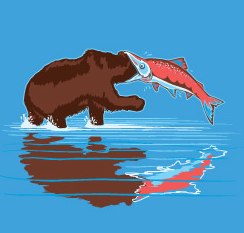
<p><img alt="GE Salmon" class="alignnone" height="233" src="../kahea/kahea/images/20100907-cmfcwkwgaxxb8ww6y39yduus6m.jpg" title="GE Salmon" width="244" /></p>
<p>They came for our taro. Is it any surprise that fish is next on the list? Today, federal officials in the U.S. are considering approval of the first genetically modified fish. GMO-salmon. Ick.</p>
<p><a href="http://www.salmonaresacred.org/">Salmon are sacred</a>. It’s time to show our solidarity for indigenous peoples, first nations, and fishing and nearshore communities the world over. We’re a fish and poi culture, and we’ve got to be concerned about genetic modification of native species. Genetic modification is a part of a broken industrial food system that just doesn’t work. It isn’t serving communities, farmers, fishers, or consumers. We want sovereignty… over what’s on our plates. And we’re saying no to untested, unlabeled GMO foods.</p>
<p><i>From our friends at Food and Water Watch:</i></p>
<p>Franken-Fish  have won the race to be the first genetically engineered animal  approved for human consumption. The aquaculture industry has genetically  engineered a fish that grows at twice the normal rate, so they can get  it to market sooner and make more money.</p>
<p>The scary thing is, the FDA doesn’t  do its own testing of genetically engineered animals, it relies on  information provided by the company that wants approval. And because GE  salmon are being considered as a new animal drug, the process isn’t  focused on what happens to people who eat genetically engineered  animals. So on top of the health concerns posed by raising salmon in  crowded factory fish farms that rely on antibiotics and other chemicals,  the FDA could be adding the unknown risks of GE salmon to the mix.</p>
<p>The FDA is the same agency that’s in  charge of overseeing the egg industry, and we see how well they’ve done  that job. The FDA does not have the capacity to ensure the safety of  food that is not genetically engineered, they certainly should not be in  charge of allowing the first GE animal into our food supply.</p>
<p>We’ve got just 12 days until the FDA  takes formal steps to approve GE salmon, so it’s up to us to demand that  President Obama direct the FDA to reject this request.</p>
<p>Take action to stop this mutant fish from reaching your plate:<br /><a href="http://salsa.democracyinaction.org/dia/track.jsp?v=2&amp;c=qwgo1LSpV3PzOarLqnTqPdMp17nmvY59" target="_blank">http://action.foodandwaterwatch.org/p/dia/action/public/?action_KEY=4693</a></p>
<p>(Illustration at top is by the talented Glenn Jones at threadless.com. His GE Salmon shirt is now sold out!)</p>
<!--adcode-->
<div align="center" class="adcode" style="text-align: left; ">
<script type="text/javascript">// <![CDATA[
google_ad_client = "pub-3443918307802676";
google_ad_output = "js";
google_feedback = "on";
google_max_num_ads = "4";
google_ad_width = 336;
google_ad_height = 280;
google_ad_format = "336x280_as";
google_image_size = "336x280";
google_ad_type = "text,flash,html";
google_ad_channel ="7770228814+3633280292+7401333398+7453468586+5219268225";
var color_bg = 'ffffff';
var color_text = '000000';
var color_link = '265E15';
var color_border = 'ffffff';
var color_url = '265E15';

google_analytics_domain_name = "none";
// ]]></script>
<script src="http://pagead2.googlesyndication.com/pagead/show_ads.js" type="text/javascript"></script>
</div>
<div></div>
<!--/adcode-->]]></content:encoded>
    <dc:publisher>No publisher</dc:publisher>
    <dc:creator>Miwa</dc:creator>
    <dc:rights></dc:rights>
    
      <dc:subject>ocean protection</dc:subject>
    
    
      <dc:subject>gmo</dc:subject>
    
    
      <dc:subject>activism</dc:subject>
    
    
      <dc:subject>fisheries</dc:subject>
    
    
      <dc:subject>Aquaculture</dc:subject>
    
    <dc:date>2010-09-07T23:15:00Z</dc:date>
    <dc:type>Blog Entry</dc:type>
  </item>


  <item rdf:about="https://kahea.org/blog/that-deafness-its-only-temporary">
    <title>That Deafness? It's Only Temporary.</title>
    <link>https://kahea.org/blog/that-deafness-its-only-temporary</link>
    <description></description>
    <content:encoded xmlns:content="http://purl.org/rss/1.0/modules/content/"><![CDATA[<script type="text/javascript" src="http://s0.wp.com/wp-content/plugins/adverts/adsense.js?m=1253160243g&1"></script><p><img src="/kahea/kahea/images/20100805-tnxncjaqxrru1w8wnyd19ypedr.jpg" title="whale" height="162" width="290" alt="" class="alignnone" /></p>
<p>Many of you followed the sonar lawsuit from 2008, in which KAHEA, in partnership with Earthjustice and other local, national and international NGOs, sued the U.S. Navy over its proposed expansion of military exercises around Hawai&#8217;i, including the Northwestern Hawaiian Islands. The State of Hawai&#8217;i, at our urging, also asked the Navy to comply with laws protecting endangered species in Hawai&#8217;i. Not surprising, the Navy refused.</p>
<p>Now, there&#8217;s another round of public scoping hearings for <strong>more sonar and more detonations</strong>. But don&#8217;t worry about those whales. According to the U.S. Navy, the deafness caused by underwater explosions and sonar is <strong>only temporary</strong>.</p>
<p>An <strong>update on U.S. Navy training in Hawaiian waters</strong>, from the <a href="http://www.thehawaiiindependent.com/">Hawaii Independent</a>:</p>
<p>The U.S. Navy announced its intent to prepare an Environmental Impact  Statement (EIS) and Overseas EIS (OEIS) relating to military training  and research, including sonar and detonating explosives, within the  Hawaii-Southern California Training and Testing (HSTT) study area.</p>
<p><strong>Public scoping meetings throughout Hawaii have been scheduled to hear  comments</strong>.  Last year, the federal government issued authorization to the U.S. Navy  to impact whales and dolphins while conducting sonar training exercises  around the main Hawaiian Islands for five years, Environmental News  reported.</p>
<p>The letter of authorization and accompanying rules allow for  injury or death of up to 10 animals of each of 11 species over the five  years covered by the regulations. <strong>The Navy requested authorization under  the Marine Mammal Protection Act because the mid-frequency sound  generated by tactical active sonar, and the sound and pressure generated  by detonating explosives, may affect the behavior of some marine  mammals or cause what the Navy calls &#8220;a temporary loss of their  hearing.&#8221; </strong></p>
<p><strong>Mid-frequency sonar can emit continuous sound well above 235 decibels,  an intensity roughly comparable to a rocket at blastoff</strong>, according to  Environmental News.</p>
<p><strong>The sonar blasts travel across hundreds of miles of  ocean to reveal objects, such as submarines, underwater</strong>.  The National Marine Fisheries Service (NMFS) will be a cooperating  agency in preparation of this EIS and OEIS.  In January 2009, the NMFS&#8217;s ruling stated: &#8220;After reviewing the current  status of the endangered blue whale, fin whale, humpback whale, sei  whale, sperm whale, Hawaiian monk seal, green sea turtle, leatherback  sea turtle, loggerhead sea turtle, and Pacific ridley sea turtle, &#8230;  [Navy training activity in the Hawaii Range Complex] each year for a  five-year period beginning in January, 2009, are likely to adversely  affect but are not likely to jeopardize the continued existence of these  threatened and endangered species under NMFS&#8217;s jurisdiction.&#8221;</p>
<p>While Earth Justice wants the Navy to stop using sonar until it can  avoid serious injury to marine mammals, the environmental group  recommends several things the Navy can do to minimize the harm to marine  life: Impose seasonal and geographical limitations, avoid nursing  areas, ramp sonar up slowly, avoid areas that were created specifically  to protect endangered marine life, create a 25-mile safe haven distance  from shorelines, avoid steep-sloping seamounts that provide important  habitat for many marine species, prohibit testing at night or other  times of low visibility, and adopt protocols similar to those of other  naval forces to minimize the impact on marine wildlife.</p>
<p>The Navy&#8217;s latest proposed action is to conduct training and testing  activities within the at-sea portions of existing Navy training range  complexes around the Hawaiian Islands and off the coast of Southern  California. Training activities, such as <strong>sonar maintenance</strong>, <strong>explosives</strong>,  and <strong>gunnery exercises</strong>, may occur outside of Navy operating and warning  areas.  In 2009, the Navy instituted mitigation measures relating to sonar that  include stationing lookouts, adjusting sonar decibel levels when marine  animals are detected within 200 to 1,000 yards, and increased visual and  aerial surveillance for marine life.  The HSTT study area combines the at-sea portions of the following range  complexes: Hawaii Range Complex, Southern California Range Complex, and  Silver Strand Training Complex. The existing western boundary of the  Hawaii Range Complex is being expanded 60 miles to the west to the  International Dateline.</p>
<p>The HSTT study area also includes the transit  route between Hawaii and Southern California as well as Navy and  commercial piers at Pearl Harbor and in San Diego, CA where sonar may  also be tested.</p>
<p><strong> Public scoping meetings will be held between 4:00 p.m. and 8:00  p.m.</strong></p>
<p>- Tuesday, August 24, 2010, Kauai Community College Cafeteria, 3-1901  Kaumualii Highway, Lihue, HI.<br />
- Wednesday, August 25, 2010, Disabled American Veterans Hall, Weinberg  Hall, 2685 North Nimitz Highway, Honolulu, HI.<br />
- Thursday, August 26, 2010, Hilo High School Cafeteria, 556 Waianuenue  Avenue, Hilo, HI.  6. Friday, August 27, 2010<br />
- Maui Waena Intermediate School Cafeteria,  795 Onehee Avenue, Kahului, HI.</p>
<p>The meetings will consist of an informal, open house  session with informational stations staffed by Navy representatives.  Additional information concerning meeting times is available on the EIS  and OEIS website at <a href="http://www.hawaiisocaleis.com/" target="_blank">http://www.HawaiiSOCALEIS.com</a>.  The scoping process will be used to identify community concerns and  local issues to be addressed in the EIS and OEIS. All comments provided  orally or in writing at the scoping meetings, will receive the same  consideration during EIS and OEIS preparation. <strong>Written comments must be  postmarked no later than September 14 </strong>and should be mailed to: Naval  Facilities Engineering Command, Southwest, 2730 McKean Street, Building  291, San Diego, CA 92136-5198, Attention: Mr. Kent Randall&#8212;HSTT  EIS/OEIS.</p>

<!--adcode-->
<div align="center" style="padding-top: 5px; text-align: left;" class="adcode">
<script type="text/javascript"><!--
google_ad_client = "pub-3443918307802676";
google_ad_output = "js";
google_feedback = "on";
google_max_num_ads = "4";
google_ad_width = 336;
google_ad_height = 280;
google_ad_format = "336x280_as";
google_image_size = "336x280";
google_ad_type = "text,flash,html";
google_ad_channel ="7770228814+6875057225+7401333398+7453468586+2141574685+8810813485+2794543176";
var color_bg = 'ffffff';
var color_text = '000000';
var color_link = '265E15';
var color_border = 'ffffff';
var color_url = '265E15';

google_analytics_domain_name = "none";
//--></script><script type="text/javascript" src="http://pagead2.googlesyndication.com/pagead/show_ads.js"></script></div>
<div style="clear: both"><br /></div>
<!--/adcode-->
									]]></content:encoded>
    <dc:publisher>No publisher</dc:publisher>
    <dc:creator>Miwa</dc:creator>
    <dc:rights></dc:rights>
    
      <dc:subject>Hawaiian Monk Seal</dc:subject>
    
    
      <dc:subject>NWHI</dc:subject>
    
    
      <dc:subject>Northwest Hawaiian Islands</dc:subject>
    
    
      <dc:subject>activism</dc:subject>
    
    
      <dc:subject>fisheries</dc:subject>
    
    
      <dc:subject>military</dc:subject>
    
    
      <dc:subject>military toxics</dc:subject>
    
    
      <dc:subject>ocean protection</dc:subject>
    
    <dc:date>2010-08-05T20:19:32Z</dc:date>
    <dc:type>Blog Entry</dc:type>
  </item>


  <item rdf:about="https://kahea.org/blog/come-talkstory-shoreline-fishing-issues-at-kaena-june-27th">
    <title>Come Talkstory - Shoreline Fishing Issues at Ka‘ena - June 27th </title>
    <link>https://kahea.org/blog/come-talkstory-shoreline-fishing-issues-at-kaena-june-27th</link>
    <description></description>
    <content:encoded xmlns:content="http://purl.org/rss/1.0/modules/content/"><![CDATA[<p><em>From Marti:</em><a href="/kahea/kahea/images/mokuleia-kaena-05-20-08-visit-019.jpg/image_view_fullscreen"><img src="/kahea/kahea/images/mokuleia-kaena-05-20-08-visit-019.jpg" title="Mokuleia Kaena 05-20-08 Visit 019" height="225" width="300" alt="" class="alignright size-medium wp-image-1410" /></a></p>
<p>On Sunday June 27th starting at about 2:00 pm, fishers and &#8216;ohana will be gathering in Waiawa to discuss issues surrounding the management of Ka&#8216;ena Point on O&#8216;ahu. (Click to see <a href="http://docs.google.com/fileview?id=1veGkCaY1JdLQCREej9U6sVCLnTwJNg6mdxRf9RkNKBlOQzEtLhprtbwY78xs&hl=en">map</a>)</p>
<p>Located at the most northwest point of O&#8216;ahu, Ka&#8216;ena is one of the last relatively wild shorelines left on the island. It is a beloved fishing spot for many families, a spiritual pathway into the afterlife, and a refuge for endangered birds.</p>
<p>Its extreme weather and remote location helped to limit development, though it has suffered its share of urban burdens, including train tracks, military training, and most recently mud-bogging and uncontrolled bonfires.</p>
<p>As you may already know, Ka&#8216;ena has been the focus of many regulatory attempts over the years.&#160; Most of these past efforts have met with failure due to lack of community support. <a href="http://hawaii.gov/dlnr/kpsa">Here is a link to the long list of abandoned management schemes at Ka&#8216;ena.</a></p>
<p>With a brand of tenacity unique to state government, once again, the community faces a new management plan developed by staff at the Department of Land and Natural Resources with only selected input from community members.&#160; The state needs a new management plan because Ka&#8216;ena will likely be highlighted as one of O&#8216;ahu&#8217;s wilderness camping areas under DLNR&#8217;s new &#8220;Recreational Renaissance.&#8221;&#160;&#160; Recreational Renaissance is just a nifty name for another scheme to raise money from the use of state land in a wide range of not-always-compatible ways, including the collection various permit and entry fees to state parks.&#160; A draft of the state&#8217;s plan for Ka&#8216;ena will be open for general public comment at a hearing in late July.</p>
<p>In anticipation of this meeting and in response to many complaints about state management, shoreline fishers from around O&#8216;ahu are gathering at a farm in Waiawa on June 27th to talk about the many issues facing this community.&#160; The recent trend in harassment of fishers by DLNR enforcement officers and HPD has led many to forego fishing the way their families have for generations.&#160; This is related to current state regulations that limit the longstanding practice of over-night fishing and current proposals to impose new permitting requirements on shoreline fishers.&#160; <a href="http://kaenapractitioners.blogspot.com/">Click here to visit a blog specific to Ka&#8216;ena management issues. </a></p>
<p>This is a tough issue to grapple with.&#160; For me, I think the disconnect was said best by one lifelong fisherman from Waipahu:</p>
<p><em>&#8220;Why you imposing fees on me, when I only can catch enough to feed my family, but you do nothing, nothing to prevent the massive fish takes by these commercial guys, who come in here just when the fish start to run and take the whole school one time?&#8221; </em></p>
<p>If you are interested in learning more about shoreline fishing issues on O&#8216;ahu and want to connect with the local fishing community, please contact Summer at 753-4221/ <a href="mailto:culturalpractice@gmail.com" target="_blank">culturalpractice@gmail.com</a> to RSVP for the public meeting on June 27th at 2pm in Waiawa.&#160; She asks that you bring own chairs.</p>
									]]></content:encoded>
    <dc:publisher>No publisher</dc:publisher>
    <dc:creator>Marti Townsend</dc:creator>
    <dc:rights></dc:rights>
    
      <dc:subject>activism</dc:subject>
    
    
      <dc:subject>conservation</dc:subject>
    
    
      <dc:subject>environmental justice</dc:subject>
    
    
      <dc:subject>fisheries</dc:subject>
    
    
      <dc:subject>fishing</dc:subject>
    
    
      <dc:subject>food sovereignty</dc:subject>
    
    <dc:date>2010-06-21T23:38:22Z</dc:date>
    <dc:type>Blog Entry</dc:type>
  </item>


  <item rdf:about="https://kahea.org/blog/april-round-up-on-pono-aquaculture">
    <title>April Round-up on Pono Aquaculture</title>
    <link>https://kahea.org/blog/april-round-up-on-pono-aquaculture</link>
    <description></description>
    <content:encoded xmlns:content="http://purl.org/rss/1.0/modules/content/"><![CDATA[<script type="text/javascript" src="http://s0.wp.com/wp-content/plugins/adverts/adsense.js?m=1253160243g&1"></script><p>Mahalo to Rob Parsons (our amazing <a href="http://www.foodandwaterwatch.org/">Food and Water Watch</a> Hawai&#699;i Outreach Coordinator and our friend and fellow member of the <a href="http://ponoaqua.org">Pono Aquaculture Alliance</a>) for this April round-up on efforts towards sustainable, pono aquaculture in Hawai&#8217;i:</p>
<p>The month of April has been full-tilt on the forefront of aquaculture issues in Hawaii, and beyond. We announced the formation of the Pono Aquaculture Alliance, broadened the scope of our outreach, and got a good deal of press coverage (<strong>see links below</strong>).</p>
<p>We gave presentations at UH-Maui College, UH-Manoa, Kawaihae, and in mauka Kona, taped an AKAKU public access TV show with Elle Cochran on Maui, did a two-hour radio show with Brickwood Galuteria, held a press conference at the capital, talked with legislators, and met candidates Neil Abercrombie and Gary Hooser at a Dem party function. We also met with Walter Ritte and Noelani Lee Yamashita on Molokai, and see their fishpond restoration efforts, and met with Ed Cichon of Maui Fresh Fish, LLC, who hopes to raise opakapaka in cages off Lanai. Yesterday was the <a href="http://blog.kahea.org/2010/04/28/noaa-listening-session-report-back/">NOAA regional &#8220;listening session&#8221;</a> to accept input on NOAA&#8217;s efforts to draft a &#8220;sustainable ocean aquaculture&#8221; policy.</p>
<p><strong>What a month!</strong> <em>From us at KAHEA, mahalo pumehana to all those who are giving of their time, efforts, and mana&#8217;o on this issue&#8211;for their passionate care for our ocean, Hawaiian waters, Hawaiian fish, food sovereignty &amp; security, and the aloha &#8216;&#257;ina that powers this movement.</em></p>
<p><strong>TV and newspaper links:</strong><br />
Andrew Gomes/ Honolulu Advertiser on PAA press conference<br /><a href="http://www.honoluluadvertiser.com/article/20100409/BUSINESS/4090332/Group+urges+fish-farming+safeguards"> http://www.honoluluadvertiser.com/article/20100409/BUSINESS/4090332/Group+urges+fish-farming+safeguards</a></p>
<p>Coalition champions sustainable fish production in Hawaii<br /><a href="http://www.hawaii247.org/2010/04/09/coalition-champions-sustainable-fish-production-in-hawaii/"> http://www.hawaii247.org/2010/04/09/coalition-champions-sustainable-fish-production-in-hawaii/ </a></p>
<p>Coalition alleges fish farms hurt land<br />
By Gene Park &#160;HONOLULU STAR-BULLETIN<br /><a href="http://www.starbulletin.com/business/20100409_Coalition_alleges_fish_farms_hurt_land.html">http://www.starbulletin.com/business/20100409_Coalition_alleges_fish_farms_hurt_land.html </a></p>
<p>Is There an Open Season on Open Ocean Aquaculture?<br />
Reported by: Ron Mizutani/ KHON Channel 2<br /><a href="http://www.khon2.com/content/news/developingstories/story/Is-There-an-Open-Season-on-Open-Ocean-Aquaculture/asLsjbbXBUSQH84WJdKZEQ.cspx">http://www.khon2.com/content/news/developingstories/story/Is-There-an-Open-Season-on-Open-Ocean-Aquaculture/asLsjbbXBUSQH84WJdKZEQ.cspx</a></p>
<p>Residents voice concerns over aquaculture project<br />
by Chelsea Jensen/ West Hawaii Today<br />
Saturday, April 10, 2010 7:17 AM HST<br /><a href="http://www.westhawaiitoday.com/articles/2010/04/10/local/local02.prt"> http://www.westhawaiitoday.com/articles/2010/04/10/local/local02.prt</a></p>
<p>Net pen in harbor draws investigation<br />
by Carolyn Lucas/ West Hawaii Today<br />
Wednesday, April 7, 2010 9:30 AM HST<br /><a href="http://www.westhawaiitoday.com/articles/2010/04/07/local/local04.txt">http://www.westhawaiitoday.com/articles/2010/04/07/local/local04.txt</a></p>
<p>Community questions fish farms<br />
By Hadley Catalano/ Big Island Weekly<br />
Wednesday, April 14, 2010 9:59 AM HST<br /><a href="http://www.bigislandweekly.com/articles/2010/04/14/read/news/news08.txt">http://www.bigislandweekly.com/articles/2010/04/14/read/news/news08.txt</a></p>
<p>Fish farm frenzy<br />
Watchdog group releases report criticizing open aquaculture in Hawai&#8216;i<br />
SEAMUS HOGG/HONOLULU WEEKLY<br />
APR 14, 2010<br /><a href="http://honoluluweekly.com/feature/2010/04/fish-farm-frenzy/"> http://honoluluweekly.com/feature/2010/04/fish-farm-frenzy/</a></p>
<p>Coalition knocks nascent Hawaii industry<br />
By Denise Recalde<br />
editorial@fis.com/ www.fis.com<br /><a href="http://fis.com/fis/worldnews/worldnews.asp?monthyear=&day=12&id=36169&l=e&special=&ndb=1%20target=">http://fis.com/fis/worldnews/worldnews.asp?monthyear=&amp;day=12&amp;id=36169&amp;l=e&amp;special=&amp;ndb=1%20target=</a></p>
<p>Report Blasts Hawaii Aquaculture<br />
Environmental Group Claims Fish Farming Not Environmentally Sustainable<br />
Dick Allgire KITV 4 News Reporter<br />
POSTED: 2:48 pm HST April 8, 2010<br /><a href="http://www.kitv.com/news/23096058/detail.html"> http://www.kitv.com/news/23096058/detail.html</a></p>

<!--adcode-->
<div align="center" style="padding-top: 5px; text-align: left;" class="adcode">
<script type="text/javascript"><!--
google_ad_client = "pub-3443918307802676";
google_ad_output = "js";
google_feedback = "on";
google_max_num_ads = "4";
google_ad_width = 336;
google_ad_height = 280;
google_ad_format = "336x280_as";
google_image_size = "336x280";
google_ad_type = "text,flash,html";
google_ad_channel ="7770228814+6875057225+7401333398+7453468586+2794543176+5144442595+8810813485";
var color_bg = 'ffffff';
var color_text = '000000';
var color_link = '265E15';
var color_border = 'ffffff';
var color_url = '265E15';

google_analytics_domain_name = "none";
//--></script><script type="text/javascript" src="http://pagead2.googlesyndication.com/pagead/show_ads.js"></script></div>
<div style="clear: both"><br /></div>
<!--/adcode-->
									]]></content:encoded>
    <dc:publisher>No publisher</dc:publisher>
    <dc:creator>Miwa</dc:creator>
    <dc:rights></dc:rights>
    
      <dc:subject>Aquaculture</dc:subject>
    
    
      <dc:subject>activism</dc:subject>
    
    
      <dc:subject>fisheries</dc:subject>
    
    
      <dc:subject>food sovereignty</dc:subject>
    
    
      <dc:subject>ocean protection</dc:subject>
    
    <dc:date>2010-04-30T00:45:19Z</dc:date>
    <dc:type>Blog Entry</dc:type>
  </item>


  <item rdf:about="https://kahea.org/blog/noaa-listening-session-report-back">
    <title>NOAA "Listening Session" Report-back </title>
    <link>https://kahea.org/blog/noaa-listening-session-report-back</link>
    <description></description>
    <content:encoded xmlns:content="http://purl.org/rss/1.0/modules/content/"><![CDATA[<p><img src="/kahea/kahea/images/20100429-en87e3894dehqqhdsiu9mxqyx2.jpg" title="ooa" height="291" width="295" alt="" class="alignnone" /></p>
<p><em>Mahalo to Rob Parsons, long-time Maui resident, journalist, and local environmental advocate for his detailed report-back on the Honolulu NOAA &#8220;listening session&#8221; yesterday. The post below is from his notes on the meeting:</em></p>
<p>Yesterday&#8217;s NOAA listening session was one of six being held nationwide to solicit input as NOAA strives to establish a policy for &#8220;sustainable ocean aquaculture.&#8221; About 80 people showed up at the second floor of the Ala Moana Hotel, a block from the Hawaii Convention Center and Ala Moana Shopping Center, for the 2 1/2 hour meeting.</p>
<p>It is clear that the word went out to those in the industry, and associated with UH, the Oceanic Institute, and the Hawaii Aquaculture Association. Fortunately, even given the fact that the meeting was in Honolulu only (no provisions for participation by those on neighbor islands) and in the middle of a workday, we had a decent showing from members of the Pono Aquaculture Alliance, and conservation groups.</p>
<p>The session was facilitated by Andy Winer, who headed the Hawaii Obama  presidential campaign and is now a political appointee to NOAA. I spoke  with him afterwards; he said this is very preliminary and very wide  open, just asking input for now, He said when they come forward with a  draft policy (he mentioned 4 months, but I think that is ambitious) he  said things will be much more serious. He spoke of their goal: &#8220;To  implement a new sustainable aquaculture policy.&#8221;<strong> &#8220;The policy components  are that it be science-based, eco-system focused, promote innovation,  and that there be a clear and efficient management system. The big  question is, What will be NOAA&#8217;s role?&#8221;</strong></p>
<p>He also mentioned the importance of production, restoration, and  enhancement. Also jobs and socio-economic factors. He also said this should look at how it fits with other NOAA programs.</p>
<p>After his intro, Dr. Jo Ann Leong of Hawaii Institute of Marine Biology  gave a pro-OOA Powerpoint.&#160; <strong>Said there is no way historic fishponds can  provide enough fish.</strong> Said Hawaii 20250 Sustainability Plan supports  this, and that we should &#8220;create a sustainability ethic.&#8221; We&#8217;re way  behind China and Norway in sales. ($34.7M in 2008&#8230;.mostly in algae  nutraceuticals, not finfish, I&#8217;d guess). Mentioned challenges.</p>
<p><em>NOTE: Keynote speaker Dr. Leong is on the <a href="http://www.hioceanictech.com/showText.aspx?settings=Company">board for Hawaii Oceanic Technology</a>, a company currently  proposing a massive ahi feedlot off the coast of the Big Island.&#160; Is  this a bit too cozy a relationship? Is this pono?<br /></em></p>
<p>Overall, about 20 people spoke in favor of supporting open ocean aquaculture, and 10 of us expressed concerns and cautions:</p>
<p><em>Strongly Pro-OOA<br /></em><br />
1) Dave Takaki (?) &#8220;resurrecting fishponds is not economically feasible, and is virtually insurmountable&#8221;<br />
2) Dr. Tetsuzan &#8220;Benny&#8221; Ron, UH Aquaculture Prog. Coord. &#8211; &#8220;building a sustainable future&#8230;.all should support this&#8221;<br />
3) Todd Low, Mgr. Aquaculture Dev&#8217;t Prog., Dept of Ag- &#8220;diversify economy, food self-sufficiency. HI sets the standards&#8221;<br />
4) John Corbin, consultant (former director ADP) &#8220;Farming in the EEZs puts food on tables.&#8221; &#8220;We have BMPs.&#8221;<br />
5) Todd Hendrix, retired science teacher- uses Cousteau 1973 quote (!). &#8220;HI oceans are nutrient poor and this helps.&#8221;<br />
6) Ron Weidenbach, Pres. HI Aqua Assoc.- supports &#8220;truthful presentation based on science&#8221; wants increased R&amp;D.<br />
7) Tony Ostrowski, Pres. Oceanic Institute- said their mission is to secure a seafood source (for consumption) HOWEVER, their website give the following mission statement: The mission of the Ocean Institute is to inspire all generations, through education, to become responsible stewards of our oceans.<br />
8. Steven Von Kampen Louis, young, student, in favor.<br />
9) Brian Miyamoto, Hawaii Farm Bureau Federation- &#8220;Huge opportunity. Should be able to develop safe practices.&#8221;<br />
10) Dr. Steven Dollar, does water monitoring for Hukilau et al- &#8220;Problems don&#8217;t exist here.&#8221;<br />
11) Michael Berman- &#8220;spend time listening to the people who are in the (aquaculture) field.&#8221;<br />
12) Ronnie Nasuti (?), exec chef, Roy&#8217;s- &#8220;Can&#8217;t talk about science or politics&#8212;I cook. People love eating the moi.&#8221;<br />
13) Norman Nong (?), Cinnamon&#8217;s restaurant- &#8220;can&#8217;t afford local fish on our menu&#8221; &#8220;I&#8217;m for aquaculture, of course.&#8221;<br />
14) Clyde Tamaru, UH-CTAHR (former UH-Sea Grant)- Used the sea horse farm at NELHA as an example. (!)<br />
15) Kimokeo Kapahulehua, pres. Fishpond assoc on Maui- &#8220;Keep the culture intact.&#8221; Then in his last 30 seconds he<br />
said we should support Maui Fresh Fish LLC&#8217;s plan to raise opakapaka off Lanai. (he is their hired consultant).<br />
16) Sean Martin, WESPAC- Support HB 4363, etc. Magnuson-Stevens act defines OOA as a &#8220;fishery.&#8221;<br />
17) Bill Spencer, CEO HOT and HVCA- (waited until last to speak) &#8220;I&#8217;m the only one in the US who has been given the<br />
permit for a tuna farm. I&#8217;m proud to be for-profit and make money for my investors. We are environmentally<br />
responsible and economically sustainable. Hawaii is the perfect model to follow for permitting. The permit process<br />
has consumed more than one third of our investment capital to date.&#8221;</p>
<p><em>Support with Conditions:</em></p>
<p>18) Steve Chaiken, HAA, Molokai Sea Farms- Has 22 earthen ponds w/ fish,  shrimp, seaweed. &#8220;Very expensive to simulate the ocean on land.&#8221; &#8220;Some say we shouldn&#8217;t use the Pacific  Ocean to raise fish&#8212;I share some of those concerns.&#8221; NOAA needs to partner for BMPs. &#8220;Gov&#8217;t isn&#8217;t good at  planning carrying capacity. Look at Waikiki.&#8221; &#8220;Don&#8217;t let an asset turn into a liability.&#8221; &#8220;What we&#8217;ve done well here  is research. Esp. disease mgmt.&#8221;<br />
19) Glen Martinez, Olomana Gardens (Waimanalo)- &#8220;should have a mtg on Big Island&#8212;they have 22 aquaponic farms.&#8221;<br />
20) Randy Cates, Hukilau Foods- After 10 years, I&#8217;m tired. Likes  &#8220;balance&#8221; in the ocean. Donates fish to groups.</p>
<p><em>Not for OOA without stringent guidelines</em></p>
<p>22) Marti Townsend, KAHEA- <strong>&#8220;Hawaii is not your laboratory, its resources are not expendable.&#8221;</strong> NOAA could support fishpond restoration. &#8220;Use traditional knowledge.&#8221; Challenges the idea of &#8216;farming the ocean&#8217; (Cousteau). &#8220;Plantation ag over the past century has been very harmful. Need more outreach. Only a 2-hour mtg, and at Ala Moana Hotel? Should be on the Big Island. You are limiting who will attend by holding it here.&#8221;<br />
23) Trisha Kehaulani Watson, PhD.- Two points: Culture and community are missing. Ocean is also a cultural resource. It is both our church and our classroom. Community&#8212;Conflict is brewing here. Let state and local gov&#8217;ts come up with local solutions that are site-appropriate.<br />
24) Rob Parsons, PAA, FWW et al- mainly read PAA criteria and unity statement. Asked that NOAA take a step back and ask whether a OOA policy should be developed, not how.<br />
25) Dr. Neil Frazer, UH-&#8220;Would be sorry to see Hawaii and the U.S. Repeat the mistakes of my native British Columbia.&#8221;Should learn from the mistakes made in (mis-)mgmt of capture fisheries. Listed criteria for pono aquaculture.<br />
26) Keiko Bonk, Marine Cons. Biol. Institute and Save Our Seals- &#8220;Questions about the ability to be a clean industry. We&#8217;d like to see a plan before allowing ventures to start up first. Especially for large-scale ventures. Large ag has ruined our land. Start small&#8212;large doesn&#8217;t work. What does sustainable mean? Long-term good, and minimal consequences. Too many factors don&#8217;t make sense as an industry.&#8221;<br />
27) Dave Raney, Chair Sierra Club Marine Action Team- &#8220;Using mostly herbivorous fish is important. SC supports OOA only if it is truly sustainable and ecologically sound. NOAA should develop policy with specific criteria. Serious reservations about industrial scale operations.&#8221;<br />
28) Linda Paul, Hawaii Audubon Society- Set enforceable national standards. OOA shouldn&#8217;t be substitute for re-stocking overfished stocks. Forage fish stocks are already fully exploited. Shouldn&#8217;t be substituted with soy because of naturally occurring estrogen.<br />
29) Zuri &#8220;Z&#8221; Aki, UH student, &#8220;Support aquaculture, but I don&#8217;t support the current model of caged fish. Look into<br />
getting communities into the ahupua`a (land-to-sea) model, not the corporate model.&#8221;</p>
<p>*KAHEA also submitted comments on behalf of Uncle Pilipo Souza and Uncle Isaac Harp.</p>
<p><strong>Written comments may be submitted up until May 14th</strong>. Comments may be submitted through this link: <a href="http://www.nmfs.noaa.gov/aquaculture/policy1/comments.htm">http://www.nmfs.noaa.gov/aquaculture/policy1/comments.htm </a></p>
									]]></content:encoded>
    <dc:publisher>No publisher</dc:publisher>
    <dc:creator>Miwa</dc:creator>
    <dc:rights></dc:rights>
    
      <dc:subject>Aquaculture</dc:subject>
    
    
      <dc:subject>fisheries</dc:subject>
    
    
      <dc:subject>food sovereignty</dc:subject>
    
    
      <dc:subject>ocean protection</dc:subject>
    
    <dc:date>2010-04-29T09:47:48Z</dc:date>
    <dc:type>Blog Entry</dc:type>
  </item>


  <item rdf:about="https://kahea.org/blog/why-jay-hates-us-this-week">
    <title>Why Jay Hates Us This Week</title>
    <link>https://kahea.org/blog/why-jay-hates-us-this-week</link>
    <description></description>
    <content:encoded xmlns:content="http://purl.org/rss/1.0/modules/content/"><![CDATA[<p><em>From Miwa:</em></p>
<p><img src="/kahea/kahea/images/20100427-fgfmnr645mc2se5skng3ex79gy.jpg" title="heeia" height="239" width="298" alt="" class="alignnone" /></p>
<p>I tend not to get too worked up about what people say  in the papers, but this I just had to share&#8230; Below is a  copy of Jay Fidell&#8217;s column in the Honolulu Advertiser (published  Sunday).</p>
<p>In it, he articulates his opposition to the newly formed <a href="http://blog.kahea.org/2010/04/15/unveiling-paa-pono-aquaculture-alliance/">Pono  Aquaculture Alliance</a>.*</p>
<p>My personal favorite quote from Mr.  Fidell: &#160;&#8221;For their own agenda, the activists are ignoring state policy  and creating an imbalance that is not fair or pono. The sooner our  officials realize this, the sooner the imbalance can be corrected and we  can catch up. <strong>Short of that, we&#8217;re headed for backwater, where we  really will need those ancient fishponds</strong>.&#8221;</p>
<p>Backwater = Fishponds? It&#8217;s news to us.</p>
<p>The &#8220;state policy&#8221; I *think* he is referring to, is the Ocean  Resources Management Plan&#8211;which sets forth a goal of ten new  aquaculture operations in Hawai&#8217;i&#8230;&#160; <strong>after</strong> a public  planning process to determine ocean areas where aquaculture is  appropriate. No such planning process has ever occurred.</p>
<p>Some other things to consider:<br />
- The Hawaii Ocean Technology  (HOTI) new  ahi feedlot proposed for Hawai&#8217;i Island will <strong>import 100% of its fish  feed</strong> and <strong>export 90% of its fish</strong> to Japan and the U.S.  continent. This is contributing to food security&#8230; how?<br />
-  The report Jay attacks in his piece is accompanied by <strong>180 citations  and  footnotes</strong>, and is the result of over a year of investigative  research  work.<br />
- Feeding wild fish to farmed fish (since high-value fish like  tuna are carnivorous) is actually contributing to the decline of fish  stocks like herring, mackerel, and sardine around the world. (It takes  about 3 lbs of wild fish to produce 1lb of farmed seafood). <strong><em>How</em> you do aquaculture, and at what scale, <em>matters</em>. A lot.<br /></strong><br />
If you&#8217;re moved to write in response to Jay, you can submit your  letter to the editor here: <a href="http://the.honoluluadvertiser.com/current/op/submitletter" target="_blank">http://the.honoluluadvertiser.com/current/op/submitletter</a></p>
<p>NOAA is holding its Honolulu &#8220;listening session&#8221; tomorrow&#8211;one of  six such meetings on its proposed policy on open ocean aquaculture. Proposals to open waters&#160; currently under U.S. federal jurisdiction (outside 3 miles) to aquaculture operations in the next few years are currently on the table.  (2:30 &#8211; 4:30PM, Ala Moana Hotel) <strong>And likely why Jay is ranting about  us this week!</strong></p>
<p>*The Pono  Aquaculture Alliance (PA&#699;A) is a group of cultural practioners, fishers,  scientists,  environmental advocates, and &#8220;aquaculturists&#8221; advocating basic  principles of &#8220;pono aquaculture&#8221;&#8211;which include no use of hormones or  pharma-chemicals, no GMO feed, and ensuring public access to ocean  areas&#8211;and promoting aquaculture (like fish ponds, aquaponic systems and  other forms of aquaculture) that promote ecosystem health, feed  communities, and promote food sovereignty/security. Uncle Isaac Harp is  leading this effort for KAHEA, and we deeply appreciate his work as well  as the work of so many other dedicated individuals and organizations on  this issue.</p>
<p><em>From Jay Fidell:<br /></em></p>
<p>Aquaculture&#8217;s the new target of Isle  activists</p>
<p>Some say aquaculture is Hawai&#8217;i's  next great sector, growing fish to provide us with food security, jobs  and tax revenues for the state. The market is assured because the oceans  can&#8217;t meet world demand. Others say aquaculture will be the next  whipping boy for the activists who are determined to bring it down.</p>
<p>Why would activists target such a promising new industry, especially  where Hawai&#8217;i has lost self-sufficiency and imports 90 percent of its  seafood? Maybe it&#8217;s because the activists, like everyone else, are  suffering in the recession, and desperate times call for desperate  causes.</p>
<p>Activism is an industry dedicated not to building things, but  stopping them. As others, activists have to pay for office space, staff,  lawyers and PR. To pay their bills, they have to identify with causes.  Old causes are old hat &#8212; they need fresh controversies to raise fresh  money. No cause, no protest, no money.</p>
<p>TARGET OF CONVENIENCE</p>
<p>Aquaculture seems like a good target.  Startups have to run the gauntlet and bear lengthy delays in dealing  with government. Activists know that this burns capital and decimates  cash. They know how hard it is for startups to raise capital in Hawai&#8217;i.  In desperate times, aquaculture is all the more vulnerable.</p>
<p>The activists don&#8217;t know much about aquaculture, so they&#8217;ve  connected with Food and Water Watch, a nonprofit in Washington and San  Francisco. It&#8217;s a multi-million dollar organization with 65 employees.  It&#8217;s big business.</p>
<p>FWW attacks Starbucks and water bottlers because they use water, a  public resource, to make a profit. They also oppose aquaculture  nationally. Hawai&#8217;i is a perfect laboratory for aquaculture and thus for  FWW. If aquaculture can be stopped here, it can be stopped across the  country, mission accomplished.</p>
<p>PITCHED BATTLE OF WEBSITES</p>
<p>The result is lots of protest &#8212;  blogs, websites, brochures, bulk mail, fuming letters to the editor,  &#8220;embargoed&#8221; reports, and over-the-top press releases. It&#8217;s a full-tilt  campaign to scare the public with stories of evil corporations spilling  tons of GMOs, pernicious antibiotics and toxic chemicals into the ocean.</p>
<p>Those stories, like Avatar, are untrue.</p>
<p>Then add regular  appearances at government meetings and moratorium bills by suggestible  legislators. The activists want their new aquaculture cause to resonate  with earlier ones against GMOs and Superferry, telescopes and  geothermal. For 2010, aquaculture is the cause of the day.</p>
<p>The activists attacking aquaculture are professionals who have been  involved in every cause you can think of, from Kingdom Title forward.  With help from FWW, their new alliance is Pono Aquaculture, but the  players are the same few people and organizations that have been  protesting causes in Hawai&#8217;i for years.</p>
<p>MISSTATEMENTS GALORE</p>
<p>From a factual point of view, the FWW  attack on aquaculture is unbridled. In many ways, its hostility  surpasses that of the Superferry opponents. Perhaps that&#8217;s because there  is less to support it. Instead of a reasoned conversation, we get  exaggerations, misstatements, mischaracterizations, and lots of name  calling.</p>
<p>After working to slow down and undermine the aquaculture sector on  every level, they claim &#8220;factory fish farming&#8221; is unprofitable and  failing. There it is &#8212; first you create misfortune for your adversary,  and then you criticize him for it.</p>
<p>Beyond that, they tap into our local culture to sell their cause to  people who are disaffected, fabricating an array of arguments for the  proposition that aquaculture, which has long been designated as a top  priority in our state policy, now somehow violates exclusive native  Hawaiian fishing rights.</p>
<p>MEDIA VULNERABILITY</p>
<p>We can&#8217;t run a state if we take our  signals from those who are opposed to virtually everything. We need to  know science and do critical thinking. We need someone to regularly  investigate the facts and inform an unwary public.</p>
<p>Unfortunately, the media does not always do this. That&#8217;s not fair to  the readers. Activist organizations try to foment public opposition  using the media. If the media takes everything they say at face value  without further inquiry, you can be sure the public will be misinformed.  If the media doesn&#8217;t do critical thinking to identify misinformation,  who will?</p>
<p>HAWAI&#8217;I, THE CONSUMER STATE</p>
<p>By not developing aquaculture, we  have no food security and we&#8217;re spending almost as much buying foreign  fish as buying foreign oil. As an island state, we should have the best  ferry system in the world. We should also have the best aquaculture in  the world. We don&#8217;t. There&#8217;s no good reason for that.</p>
<p>For their own agenda, the activists are ignoring state policy and  creating an imbalance that is not fair or pono. The sooner our officials  realize this, the sooner the imbalance can be corrected and we can  catch up. Short of that, we&#8217;re headed for backwater, where we really  will need those ancient fishponds.</p>
<p>In Hawai&#8217;i, it&#8217;s been politically incorrect to argue with activists.  If the majority cares about our future, they&#8217;ll have to speak out.  Democracy is more than anti-policy imposed by a militant few. A passive  majority is the ultimate complicity.</p>
<p>Will aquaculture be the next Superferry? You decide.</p>
<p>Jay  Fidell is a business lawyer practicing in Honolulu. He has followed tech  and tech policy closely and is a founder of ThinkTech Hawaii.<br /><a href="http://www.honoluluadvertiser.com/apps/pbcs.dll/article?AID=/201004250200/BUSINESS13/4250345" target="_blank"><br /></a></p>
									]]></content:encoded>
    <dc:publisher>No publisher</dc:publisher>
    <dc:creator>Miwa</dc:creator>
    <dc:rights></dc:rights>
    
      <dc:subject>Aquaculture</dc:subject>
    
    
      <dc:subject>activism</dc:subject>
    
    
      <dc:subject>conservation</dc:subject>
    
    
      <dc:subject>fisheries</dc:subject>
    
    
      <dc:subject>food sovereignty</dc:subject>
    
    
      <dc:subject>ocean protection</dc:subject>
    
    <dc:date>2010-04-27T09:39:47Z</dc:date>
    <dc:type>Blog Entry</dc:type>
  </item>


  <item rdf:about="https://kahea.org/blog/unveiling-paa-pono-aquaculture-alliance">
    <title>Unveiling PA'A Pono Aquaculture Alliance</title>
    <link>https://kahea.org/blog/unveiling-paa-pono-aquaculture-alliance</link>
    <description></description>
    <content:encoded xmlns:content="http://purl.org/rss/1.0/modules/content/"><![CDATA[<script type="text/javascript" src="http://s0.wp.com/wp-content/plugins/adverts/adsense.js?m=1255092471g&1"></script><p><em>From Shelley:</em></p>
<p>Aloha mai kakou,</p>
<p>Pa&#8217;a in Hawaiian means many things, such as to be firm or fastened&#8211;like an &#8216;opihi to a rock, to be vigorous, steadfast, engaged. Last week we held a press conference unveiling the Pono Aquaculture Alliance (PAA) which is made up of groups and individuals who are calling for a critical look at open ocean factory fish farms&#160; in Hawaii&#8211;a business that is slated to expand more than 900% in the next 5 years.</p>
<p><em>Why are we concerned? </em>Ocean aquaculture comes in many types, from traditional loko i&#8217;a (fishponds) to industrial-scale factory fish feed lots. In Hawai&#8217;i, we need to make some important choices today about the kind of future we want for aquaculture in these islands. We at KAHEA believe that aquaculture must be pursued in a way that does not harm our oceans and lands, does not allow genetically modified fish or feed, does not dump pharmaceuticals in our waters, does not block public access, and does not privitize public trust submerged lands. If cannot? Well, poh&#333;.</p>
<p>There was good press coverage, check out the story that ran in the Honolulu Advertiser.&#160; <a href="story" target="_blank" title="story">http://www.honoluluadvertiser.com/apps/pbcs.dll/article?AID=20104090332</a> We want to thank Uncle Kale Gumapac of Kanaka Council, Rob and Christina from FWW, Aunty Kat from Ka Lei Maile Alii Civic Club, Henry Curtis of Life of the Land and Dr. Neil Frazer from the School of Ocean and Earth Science and Technology at UH Manoa who all contributed to this event. And a special mahalo to Uncle Isaac Harp for his work on this event, his mana&#699;o, and his solidarity. <img src="/kahea/kahea/images/icon_smile.gif" alt=":)" class="wp-smiley" /></p>
<p><a href="/kahea/kahea/images/photo-2.jpg/image_view_fullscreen"><img src="/kahea/kahea/images/photo-2.jpg" title="paa press release" height="225" width="300" alt="" class="size-medium wp-image-1219 alignnone" /></a></p>
<p>What I believe:&#160; Today, Hawai&#699;i is being used as a test lab that proponents call &#8220;pioneering&#8221; but I would call &#8220;reckless&#8221;.&#160; Supporters of industrial fish farms are selling their  industrial model as &#8220;modern day Hawaiian fishponds&#8221;&#8211;a claim that is  not only misleading, but demonstrates a lack of understanding of  traditional resource management.&#160; One of the benefits that&#160;  proponents cite is that their model will help lessen over-fishing.&#160; This  isn&#8217;t true if you&#8217;re raising carnivorous fish (like the kahala&#8211;&#8221;kona kampachi&#8221;&#8211;grown at Kona Blue, or like the &#8216;ahi operation venture capitalists at Hawaii Ocean Technologies&#8211;HOTI&#8211;are trying to start up) that require wild fish being caught  elsewhere and imported&#8211;creating a hole in the wild food chain.</p>
<p>Later in the evening, after the press conference, we held a community  meeting at UH Manoa Hawaiian Studies building.&#160; We want to thank all  the concerned citizens who showed up to learn and contribute their  mana&#8217;o on this topic.&#160; You guys can check out PAA&#8217;s unity statement and  get more information about OOA at <a href="http://ponoaqua.org" target="_blank" title="ponoaqua.org">ponoaqua.org</a>.</p>
<p>We must remember that the stakes are different, dare I say higher, for  community members.&#160; Worst case scenario for big business is they lose  money, and have to pack up and go home.&#160; Worst case scenario for the  community is the end of free access to our oceans, which means losing the  ability to feed ourselves and our children and their children.</p>

<!--adcode-->
<div align="center" style="padding-top: 5px; text-align: left;" class="adcode">
<script type="text/javascript"><!--
google_ad_client = "pub-3443918307802676";
google_ad_output = "js";
google_feedback = "on";
google_max_num_ads = "4";
google_ad_width = 336;
google_ad_height = 280;
google_ad_format = "336x280_as";
google_image_size = "336x280";
google_ad_type = "text,flash,html";
google_ad_channel ="7770228814+6875057225+7401333398+7453468586+2794543176+7250744022";
var color_bg = 'ffffff';
var color_text = '000000';
var color_link = '265E15';
var color_border = 'ffffff';
var color_url = '265E15';

google_analytics_domain_name = "none";
//--></script><script type="text/javascript" src="http://pagead2.googlesyndication.com/pagead/show_ads.js"></script></div>
<div style="clear: both"><br /></div>
<!--/adcode-->
									]]></content:encoded>
    <dc:publisher>No publisher</dc:publisher>
    <dc:creator>shelleyatkahea</dc:creator>
    <dc:rights></dc:rights>
    
      <dc:subject>Aquaculture</dc:subject>
    
    
      <dc:subject>fisheries</dc:subject>
    
    
      <dc:subject>island sustainability</dc:subject>
    
    
      <dc:subject>land and cultural rights</dc:subject>
    
    
      <dc:subject>ocean protection</dc:subject>
    
    <dc:date>2010-04-16T09:44:25Z</dc:date>
    <dc:type>Blog Entry</dc:type>
  </item>


  <item rdf:about="https://kahea.org/blog/mahalo-to-snorkel-bob">
    <title>Mahalo to Snorkel Bob!</title>
    <link>https://kahea.org/blog/mahalo-to-snorkel-bob</link>
    <description></description>
    <content:encoded xmlns:content="http://purl.org/rss/1.0/modules/content/"><![CDATA[<p>Together with the Center for Biological Diversity and the Turtle Island Restoration Network, <a href="http://blog.kahea.org/2009/12/17/kaheaothers-files-suit-to-stop-longline-fishery-from-tripling-sea-turtle-kill/">we &#160;filed suit in December</a> in Federal District Court against the National Marine Fisheries Service, to challenge a new rule allowing expansion of the Hawaii longline swordfish fishery&#8212;with a dramatic increase in allowable take of threatened and endangered sea turtles. The plaintiffs are represented by the amazing attorneys over at Earthjustice.</p>
<p>A week later, the Snorkel Bob Foundation of Hawaii pledged $10,000 to sponsor that litigation.</p>
<p>Robert&#160;Wintner, Executive Director of the Snorkel Bob Foundation, said, &#8220;The opening line of our mission statement stipulates that we will defend against incidental kill of marine species, so this litigation is compulsory for us. Earthjustice is not a conservation outfit soliciting grant money and selling vague concepts. It&#8217;s a results-oriented law firm that we&#8217;re proud to support. Beyond that, the plaintiffs in this case&#8212;KAHEA, Turtle Island Restoration Network and the Center for Biodiversity are also proven achievers in the field. We know these groups and stand firmly beside them.&#8221;</p>
<p>Wintner&#160;added that this case will highlight outdated ocean management policy that must change to allow for ocean recovery. &#8220;The oceans can no longer provide limitless protein for growing human populations. It&#8217;s over. The National Marine Fisheries Service (NMFS) is now part of the National Oceanic &amp; Atmospheric Association (NOAA). Both are in the Department of Commerce. That means ocean management is based on maximum dollar extraction and not on recovery. These agencies should be part of the Department of the Interior, where conservation and recovery are primary management factors.</p>
<p>&#8220;Look at the line of communication here: the president of the Hawaii Longline Association (HLA) is Shaun Martin, who is vested in the swordfish longline fishery. HLA drafted a recommendation that the swordfish fishery be expanded with a dramatic increase on incidental take of endangered turtles. Mr. Martin then delivered that recommendation to the Western Pacific Regional Fishery Management Council (WESPAC), where he took off his HLA president hat and put on his WESPAC president hat. WESPAC then agreed that the swordfish fishery be expanded. WESPAC uses the word &#8220;conservation&#8221; more than most agencies in its communications, but its members and officers are significantly vested in commercial extraction. The WESPAC recommendation then went to NMFS, the agency authorized to process such recommendations. NMFS has a history of going along with WESPAC recommendations. This effort to blatantly override the evidence and global consensus began some time ago, with the wheels of bureaucracy grinding slowly. The Commerce Department employs thirty thousand people, and like a giant ocean liner, it does not change course quickly. Now we have a new administration agenda reflecting long-term management policies and ocean recovery. Now we go to the judicial arena, with Earthjustice representing exactly what it&#8217;s named for. I call this money well spent.&#8221;</p>
<p>Mahalo to &#8220;Uncle Bob&#8221; and all the amazing people over at Snorkel Bob and Snokel Bob Foundation!</p>
									]]></content:encoded>
    <dc:publisher>No publisher</dc:publisher>
    <dc:creator>Miwa</dc:creator>
    <dc:rights></dc:rights>
    
      <dc:subject>activism</dc:subject>
    
    
      <dc:subject>fisheries</dc:subject>
    
    
      <dc:subject>ocean protection</dc:subject>
    
    <dc:date>2010-01-19T00:05:11Z</dc:date>
    <dc:type>Blog Entry</dc:type>
  </item>


  <item rdf:about="https://kahea.org/blog/kaheaothers-files-suit-to-stop-longline-fishery-from-tripling-sea-turtle-kill">
    <title>Triple Sea Turtle Kill? A'ole. </title>
    <link>https://kahea.org/blog/kaheaothers-files-suit-to-stop-longline-fishery-from-tripling-sea-turtle-kill</link>
    <description></description>
    <content:encoded xmlns:content="http://purl.org/rss/1.0/modules/content/"><![CDATA[<div id="subContent">
<div>
<div>
<div>Someones gotta protect the our oceans and the animals that live in it, and it sure isn&#8217;t going to be National Marine Fisheries Service&#8230;</div>
</div>
</div>
</div>
<div id="mainContent">
<blockquote><p>Today, conservation groups Turtle Island Restoration Network, Center for Biological Diversity, and KAHEA, represented by Earthjustice, filed a lawsuit in federal district court in Honolulu, Hawai`i challenging a new federal rule allowing the Hawai&#8217;i-based longline swordfish fishery to catch nearly three times as many loggerhead sea turtles as was previously permitted. The lawsuit challenges a rule issued by the National Marine Fisheries Service on December 10, 2009, which allows the fishery to fish without any limitation on the amount of fishing it can do, except that it must stop if and when it catches the authorized number of turtles. Until now, there were limits on the number of longline sets that could be fished, as well as a lower number of turtles that could be taken. With the new rule, federal fishery managers have created an endangered turtle derby. Federal fishery managers project that the fishery will eventually expand to about three times the size it&#8217;s been for the past six years, leading to increased bycatch not only of turtles, but of marine mammals and sea birds as well.</p>
<p>To read rest of article <a href="http://www.earthjustice.org/news/press/2009/conservation-groups-challenge-new-rule-allowing-hawai-i-swordfish-fleet-to-triple-its-catch-of-sea-turtles.html">click here</a></p></blockquote>
<p>Click below to read more!</p>
<ul><li><a href="http://www.ens-newswire.com/ens/dec2009/2009-12-16-093.asp">Lawsuit: Hawaii Swordfish Fishery Expansion Jeopardizes Turtle Survival</a></li>
<li><strong><a href="http://www.biologicaldiversity.org/news/press_releases/2009/loggerhead-sea-turtle-12-16-2009.html"><span style="font-weight:normal;">Suit Filed to Stop Hawaii Longline Fishery From Tripling Sea Turtle Kill<br /></span></a></strong><strong><em><a href="http://www.biologicaldiversity.org/news/press_releases/2009/loggerhead-sea-turtle-12-16-2009.html"><span style="font-weight:normal;"><span style="font-style:normal;">Deadly Hooks Also Snag Whales, Seabirds, and Sharks</span></span></a></em></strong></li>
<li><span style="color:#0000ee;text-decoration:underline;"><a href="http://www.seaturtles.org/article.php?id=1492">Conservation Groups File Suit Challenging<br />
New Rule Allowing Hawai`i Swordfish Fleet to Triple Its Catch of Sea Turtles</a></span></li>
</ul></div>
									]]></content:encoded>
    <dc:publisher>No publisher</dc:publisher>
    <dc:creator>melissakolonie</dc:creator>
    <dc:rights></dc:rights>
    
      <dc:subject>National Marine Fisheries Service</dc:subject>
    
    
      <dc:subject>center for biological diversity</dc:subject>
    
    
      <dc:subject>conservation</dc:subject>
    
    
      <dc:subject>environmental justice</dc:subject>
    
    
      <dc:subject>fisheries</dc:subject>
    
    
      <dc:subject>island sustainability</dc:subject>
    
    
      <dc:subject>land and cultural rights</dc:subject>
    
    
      <dc:subject>lawsuit</dc:subject>
    
    
      <dc:subject>ocean protection</dc:subject>
    
    
      <dc:subject>sea turtle</dc:subject>
    
    
      <dc:subject>turtle</dc:subject>
    
    
      <dc:subject>turtle island restoration network</dc:subject>
    
    <dc:date>2009-12-18T08:10:06Z</dc:date>
    <dc:type>Blog Entry</dc:type>
  </item>


  <item rdf:about="https://kahea.org/blog/more-commentary-on-ocean-policy-task-force-listening-session">
    <title>More Commentary on Ocean Policy Task Force "Listening" Session</title>
    <link>https://kahea.org/blog/more-commentary-on-ocean-policy-task-force-listening-session</link>
    <description></description>
    <content:encoded xmlns:content="http://purl.org/rss/1.0/modules/content/"><![CDATA[<script src="http://s0.wp.com/wp-content/plugins/adverts/adsense.js?m=1253160243g&amp;1" type="text/javascript"></script>
<p>From <a href="http://snorkelbob.com/cgi-local/SoftCart.exe/online-store/scstore/boats.htm?E+scstore">Snorkel Bob</a> (Robert Wintner), on <a href="http://kahea.wordpress.com/2009/09/30/listening-kind-of/">Tuesday’s Ocean Policy Task Force</a>:</p>
<p>Consensus was overwhelming; conservation efforts in Hawaii have been stifled in the name of commerce for too long. The Ocean Policy Task Force may render a sea change in priorities &amp; approach. We shall see. At any rate, NOAA got the message with a panel representing depth in science &amp; political will. The HPR commentator noted aquarium extraction as a common complaint throughout the session. By raising many voices, we got the point across.</p>
<p>Irene Bowie for Maui Tomorrow challenged the wisdom of re-opening the Hawaii swordfish longline fishery, that would allow triple allowable “take” of loggerhead &amp; leatherback turtles, which includes any form of interaction, with the expectation that up to 3 adult females and up to about 7 other loggerheads would be killed annually. The longline issue was spearheaded at the San Francisco task force venue, though it’s a Hawaii “fishery,” so Irene’s testimony stood out.</p>
<p>You can still submit your testimony to the Task Force <a href="http://www.whitehouse.gov/administration/eop/ceq/initiatives/oceans/">online here</a>.</p>]]></content:encoded>
    <dc:publisher>No publisher</dc:publisher>
    <dc:creator>Miwa</dc:creator>
    <dc:rights></dc:rights>
    
      <dc:subject>fisheries</dc:subject>
    
    
      <dc:subject>activism</dc:subject>
    
    
      <dc:subject>ocean protection</dc:subject>
    
    
      <dc:subject>ocean policy task force</dc:subject>
    
    <dc:date>2009-10-01T23:15:00Z</dc:date>
    <dc:type>Blog Entry</dc:type>
  </item>


  <item rdf:about="https://kahea.org/blog/we-should-take-pride-in-our-fishponds">
    <title>We should take pride in our fishponds</title>
    <link>https://kahea.org/blog/we-should-take-pride-in-our-fishponds</link>
    <description></description>
    <content:encoded xmlns:content="http://purl.org/rss/1.0/modules/content/"><![CDATA[<script type="text/javascript" src="http://s0.wp.com/wp-content/plugins/adverts/adsense.js?m=1253160243g&1"></script><p><em>From Alana:</em></p>
<p>Too often loko i&#8217;a are talked about as things of the past, and somewhat obsolete. They are spoken of like memorials of a time past, a time when Hawaiians could essentially farm huge amounts of fish without even needing to feed them. But those days are over, right? No, they don&#8217;t have to be.&#160;</p>
<p>On Saturday at He&#8217;eia fishpond in Kaneohe, a bunch of people got together to help fish some of the predators, like baracuda, out of the fishpond. He&#8217;eia is an estimated 800 years old. It is owned by Bishop Estate, and is cared for by &#160;Paepae o He&#8217;eia, a private non-profit organization. It has taken them years to clear destructive mangrove trees off of about half the fishpond wall, and they are still working on fixing a hole in the wall, but they still manage to produce and sell moi. He&#8217;eia produces anywhere between 300 and 700 pounds of moi each year and that number is expected to increase when the wall is fixed and the fishpond is completely restored. About 100 years ago there were many more fishponds all around the island, but most of them have either been filled in completely with mangroves, or are in ruin.&#160;</p>
<p>He&#8217;eia, though, is a beautiful example of how community effort can lead to something meaningful and productive. Although many fishponds are privately owned now, they could still serve as productive entities of society. He&#8217;eia and Moli&#8217;i on O&#8217;ahu both manage to. Hawaiian fishponds utilized a system that was not found anywhere else on the planet. It was probably the most efficient and sustainable way of raising herbivore fish ever. Fishponds are not the remnants of an ancient culture. Hawaiians are still here, and Hawaii can still benefit from fishponds.</p>

<!--adcode-->
<div align="center" style="padding-top: 5px; text-align: left;" class="adcode">
<script type="text/javascript"><!--
google_ad_client = "pub-3443918307802676";
google_ad_output = "js";
google_feedback = "on";
google_max_num_ads = "4";
google_ad_width = 336;
google_ad_height = 280;
google_ad_format = "336x280_as";
google_image_size = "336x280";
google_ad_type = "text,flash,html";
google_ad_channel ="7770228814+6875057225+7401333398+7453468586+7250744022+5219268225+2794543176+3673815066";
var color_bg = 'ffffff';
var color_text = '000000';
var color_link = '265E15';
var color_border = 'ffffff';
var color_url = '265E15';

google_analytics_domain_name = "none";
//--></script><script type="text/javascript" src="http://pagead2.googlesyndication.com/pagead/show_ads.js"></script></div>
<div style="clear: both"><br /></div>
<!--/adcode-->
									]]></content:encoded>
    <dc:publisher>No publisher</dc:publisher>
    <dc:creator>alanakahea</dc:creator>
    <dc:rights></dc:rights>
    
      <dc:subject>1</dc:subject>
    
    
      <dc:subject>Aquaculture</dc:subject>
    
    
      <dc:subject>conservation</dc:subject>
    
    
      <dc:subject>cultural practice</dc:subject>
    
    
      <dc:subject>cultural rights</dc:subject>
    
    
      <dc:subject>culture</dc:subject>
    
    
      <dc:subject>fisheries</dc:subject>
    
    
      <dc:subject>food sovereignty</dc:subject>
    
    
      <dc:subject>island sustainability</dc:subject>
    
    <dc:date>2009-08-18T04:46:10Z</dc:date>
    <dc:type>Blog Entry</dc:type>
  </item>


  <item rdf:about="https://kahea.org/blog/offshore-aquaculture-is-not-fishing-act-of-2009">
    <title>"Offshore Aquaculture is not Fishing Act of 2009"</title>
    <link>https://kahea.org/blog/offshore-aquaculture-is-not-fishing-act-of-2009</link>
    <description></description>
    <content:encoded xmlns:content="http://purl.org/rss/1.0/modules/content/"><![CDATA[<script type="text/javascript" src="http://s0.wp.com/wp-content/plugins/adverts/adsense.js?m=1256404521g&1"></script><p><em>From Alana:</em></p>
<p>As a result of many letters being sent to state representatives, Rep. Mazie Hirono has decided to co-sponsor the &#8220;Offshore Aquaculture is not Fishing Act of 2009&#8243;. The bill asserts that under the Magnuson-Stevens Fishery Conservation and Management Act, the Secretary of Commerce, the National Oceanic and Atmospheric Administration (NOAA), and regional fishery management councils do not have the authority to permit or regulate the commercial ocean fish farming industry, because it is not fishing.&#160;</p>
<blockquote><p><span style="color:#000000;">The federal law that gives the Gulf Council and NOAA authority to regulate fis</span><span style="color:#000000;">h and fis</span><span style="color:#000000;">hing region-by-region was not intended to govern ris</span><span style="color:#000000;">ky industrial enterpris</span><span style="color:#000000;">es like ocean fish</span><span style="color:#000000;">&#160;farms.</span></p></blockquote>
<p>This is a step in the right direction for the regulation of offshore aquaculture, which might soon happen in the Gulf of Mexico, and expand in places like Hawaii.</p>

<!--adcode-->
<div align="center" style="padding-top: 5px; text-align: left;" class="adcode">
<script type="text/javascript"><!--
google_ad_client = "pub-3443918307802676";
google_ad_output = "js";
google_feedback = "on";
google_max_num_ads = "4";
google_ad_width = 336;
google_ad_height = 280;
google_ad_format = "336x280_as";
google_image_size = "336x280";
google_ad_type = "text,flash,html";
google_ad_channel ="7770228814+6875057225+7401333398+7453468586+5144442595";
var color_bg = 'ffffff';
var color_text = '000000';
var color_link = '265E15';
var color_border = 'ffffff';
var color_url = '265E15';

google_analytics_domain_name = "none";
//--></script><script type="text/javascript" src="http://pagead2.googlesyndication.com/pagead/show_ads.js"></script></div>
<div style="clear: both"><br /></div>
<!--/adcode-->
									]]></content:encoded>
    <dc:publisher>No publisher</dc:publisher>
    <dc:creator>alanakahea</dc:creator>
    <dc:rights></dc:rights>
    
      <dc:subject>Aquaculture</dc:subject>
    
    
      <dc:subject>activism</dc:subject>
    
    
      <dc:subject>conservation</dc:subject>
    
    
      <dc:subject>cultural rights</dc:subject>
    
    
      <dc:subject>fisheries</dc:subject>
    
    
      <dc:subject>legislature</dc:subject>
    
    
      <dc:subject>ocean protection</dc:subject>
    
    <dc:date>2009-08-12T23:31:33Z</dc:date>
    <dc:type>Blog Entry</dc:type>
  </item>


</rdf:RDF>